
Facial Volume Loss
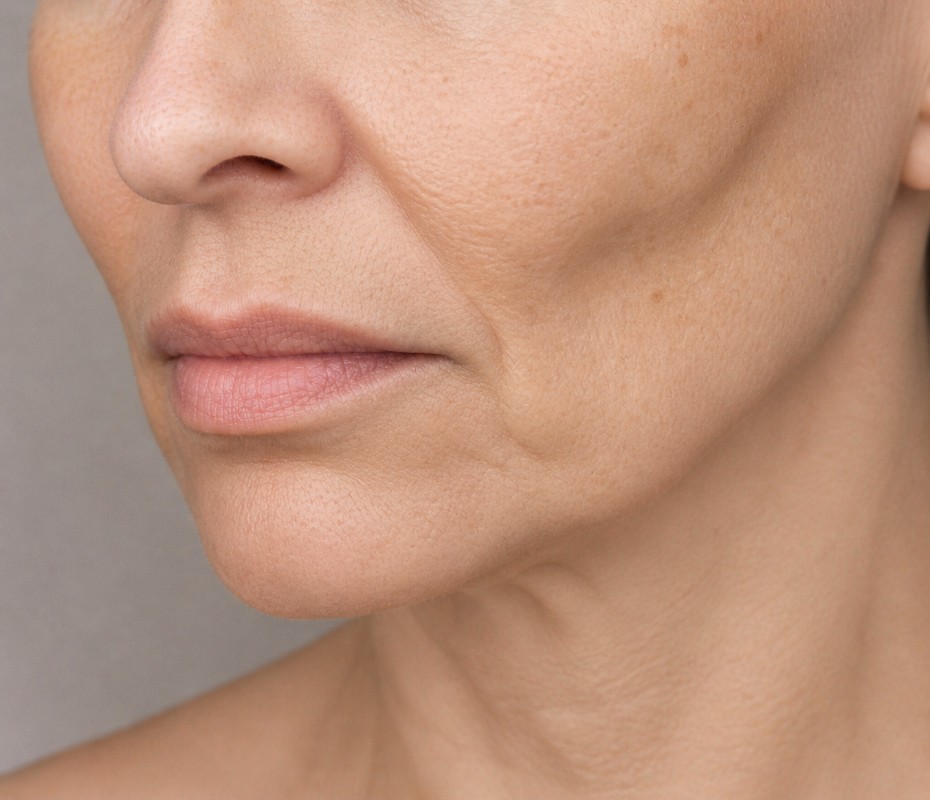
Facial volume loss is a condition where there is a reduction in the fullness of the face due to a variety of factors including: the ageing process which affects fat and bone volume; weight loss; a result of some medications and trauma. Loss of facial volume can affect the natural harmony of the face and can be ageing. A youthful face is characterized by high cheekbones, full cheeks, and smooth temples, which are often diminished with volume loss.
What Causes Facial Volume Loss?
Several factors contribute to facial volume loss, including loss of facial fat, which is typically in the context of global weight loss, ageing, facial trauma or and/or the use of certain medications.
- Ageing: Natural ageing processes lead to loss of fat in certain facial fat compartments such as in the cheeks, temples and the upper eyelids, amongst others. Furthermore an often overlooked contribution to facial volume loss is the resorption of certain parts of the facial bony skeleton. Furthermore, over time, the skin loses its elasticity and firmness, contributing to sagging skin.
- Genetics: Inherited traits can influence the rate and extent of volume loss. Some individuals may naturally have a predisposition to losing facial volume more quickly, which can result in an earlier onset of signs of aging compared to others.
- Lifestyle Factors: Smoking, poor diet, and stress can accelerate volume loss. These factors can lead to oxidative stress and inflammation, which damage skin cells and accelerate the aging process.
- Hormonal Changes: Hormonal shifts especially around the menopause can affect skin ageing and fat distribution in the face.
- Medications: Certain medications can contribute to loss of facial volume. These include oral medications that contribute to weight loss such as GLP1 agonists e.g. Mounjaro and Ozempic, amongst others. Other medications such as topical eyelash or eyebrow growth serums which contain prostaglandins can cause localised facial fat loss around the eyes. Certain medications for the treatment of HIV can cause facial lipodystrophy which can be characteristic and stigmatising.
- Trauma: Often blunt force to the face in the context of a traumatic injury can cause direct damage to the fat cells in this area which then die and leave a localised hollow. This is remedied nicely with localised fat transfer.
Characteristics of Facial Volume Loss:
- Temporal-hollowing: The temples are an often overlooked area of facial volume loss. They are a common site for hollowing which is particularly ageing and which can be remedied by dermal filler or fat transfer.
- Hollowing above the Eyes: The area above the eyes can appear sunken, often leading to deep grooves and an outlining of the eye socket. This is typically due to the loss of fat in this delicate area.
- Flattened Cheeks: Loss of fat and resorption of bone in the cheek area can cause them to look flat or sunken, impacting the overall facial contours and leading to a less youthful appearance. This also has a knock-on effect on the lower eyelid contour and appearance, hence why volume addition in the cheek is often used in conjunction with lower eyelid surgery to improve the contour and appearance of the midface.
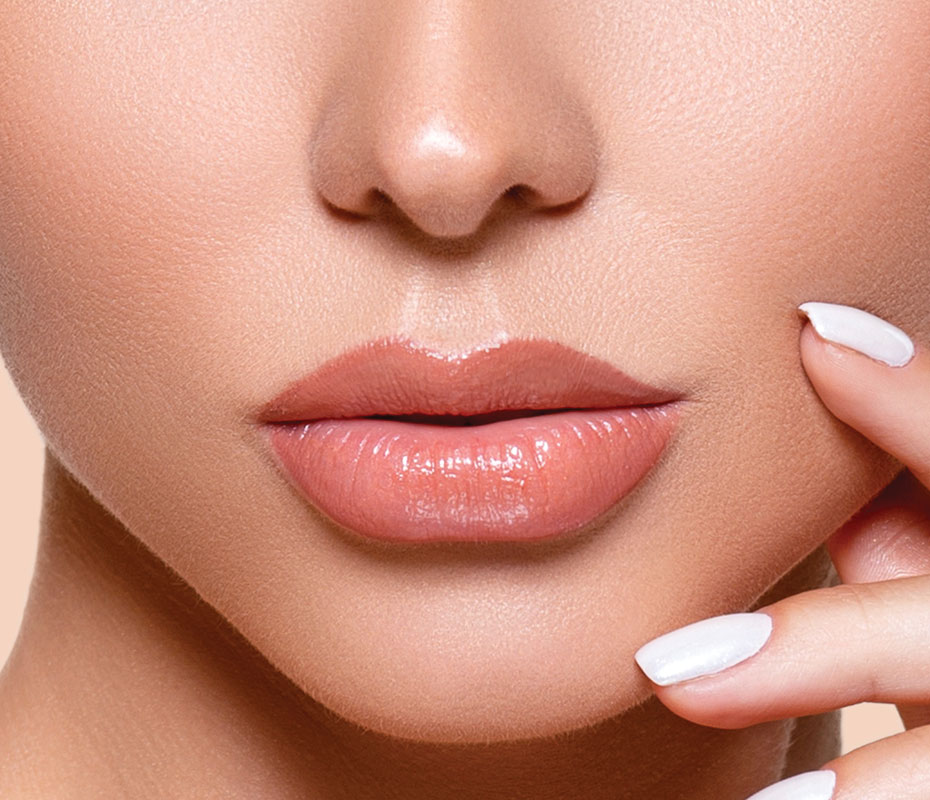
- Thinning of the Lips: Lips may lose their fullness, making them appear thinner and less defined. This can also lead to the development of fine lines around the mouth, often referred to as “lipstick lines.”
- Sagging Skin: Reduction in volume can lead to sagging or loose skin, particularly noticeable around the jawline and neck area, contributing to the appearance of jowls and a double chin.
- Nasolabial Folds: Deepening of the lines that run from the nose to the corners of the mouth, often becoming more pronounced with volume loss and age – due to a combination of drooping of the medial cheek which creates a shelf over the nasolabial fold, making for a deeper groove, and a loss of bone in the area which allows the issues in this area to sink further.
Overall, weight loss tends to have a slimming effect on the face, which can exacerbate these features, especially with age, where the skin has lost elasticity and may not retract as much as it would do in youth.
It’s important to note that while some individuals aim to lose facial fat for a more sculpted look, excessive loss can lead to a gaunt appearance. Maintaining a healthy weight and balanced diet can help manage these changes, while treatments such as facial fillers and fat grafting can restore lost volume and enhance facial features.
How Can You Treat Facial Volume Loss?
There are various treatments available to address facial volume loss. Here is an overview of common treatments, including non-surgical and surgical options.
Non-Surgical Treatments: Facial Fillers
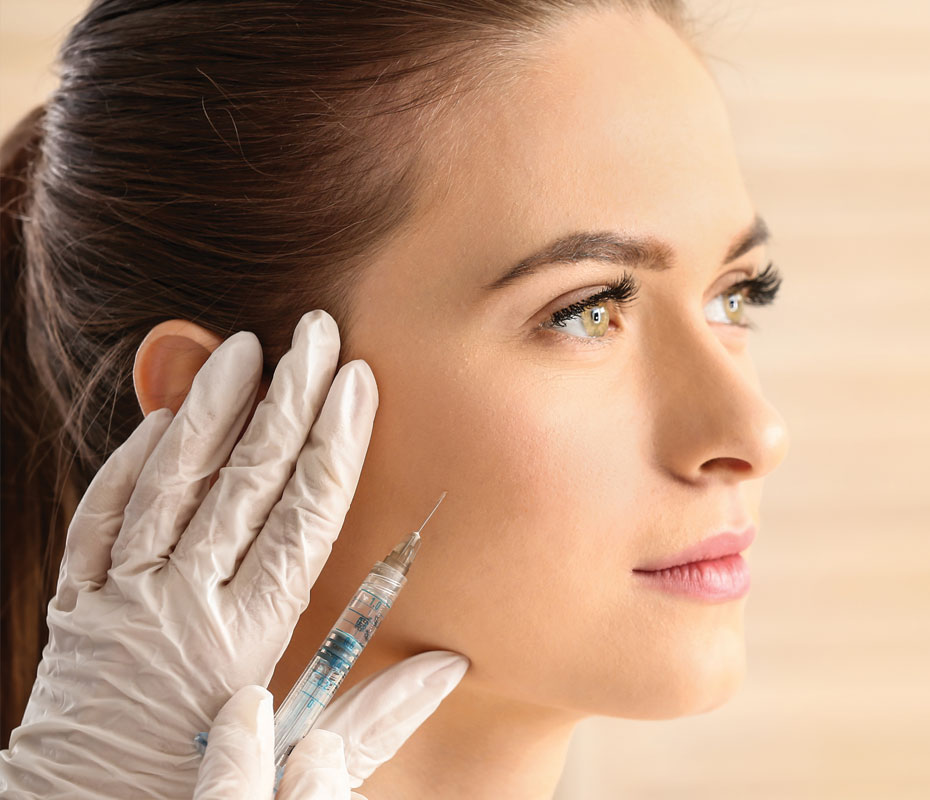
Dermal Fillers: Injectable fillers can restore lost volume in many areas of the face. The commonest being the cheeks, lips, and temples. These fillers are often composed of hyaluronic acid, a natural substance found in the skin that helps maintain hydration and elasticity. By replenishing this essential component, dermal fillers can effectively smooth out wrinkles and enhance facial contours, providing a more youthful and rejuvenated appearance. Other types of filler exist that can help with volume boosting and these include poly-L Lactic acid filler e.g. Sculptura and Calcium Hydroxyapatite based fillers. These fillers whilst effect have the drawback of not being dissolvable in the event of a complication, unlike the hyaluronic acid based fillers and tend to persist in the deeper tissues.
Surgical Treatments:
Fat Transfer: Fat is harvested from another part of the patient’s body using liposuction through a fine cannula that enters the body through an incision of several millimeters in size. It is then processed gently to make it smooth and injected into the face to restore volume. This technique utilizes the patient’s own fat cells, providing a natural and biocompatible solution for facial rejuvenation. Fat transfer can effectively address hollow areas, enhance facial contours, and improves skin texture, offering a comprehensive approach to facial volume enhancement.
Complimentary treatments
What to expect
- 30-minute consultation with a Doctor
- Proprietary triage system guaranteeing referral to the most suitable practitioner
- Treatment carried out at Montrose London, a leading specialist skin aesthetics and plastic surgery clinic
- Dedicated Patient Coordinator as a personal point of contact throughout your journey at Montrose London
- Comprehensive post-treatment aftercare with our expert doctors and aestheticians

Thank you
Overall a disappointing experience, sterile and cold enough environment made bearable only by the maximalist decor. No serenity as portrayed in marketing features ie. Lack of music As a director within a private healthcare setting, very poor customer experience and not one I will be recommending to our own clientele.
I was advised if unhappy with results in 2 weeks to come back for a top up but work restrictions meant I did not attend for 4 weeks but was told that this was chargeable: disappointing again with lack of appreciation or flexibility for working professionals. No follow up provided or courtesy call as is often given at alternative aesthetic clinics.
Dr. Noy has been incredible from start to finish. It is a joy to go to this beautiful clinic, and care is second to none.

Receive regular updates and articles of interest regarding Montrose clinic and the world of aesthetics at large.
Newsletter Sign Up