
Under-Eye Bags
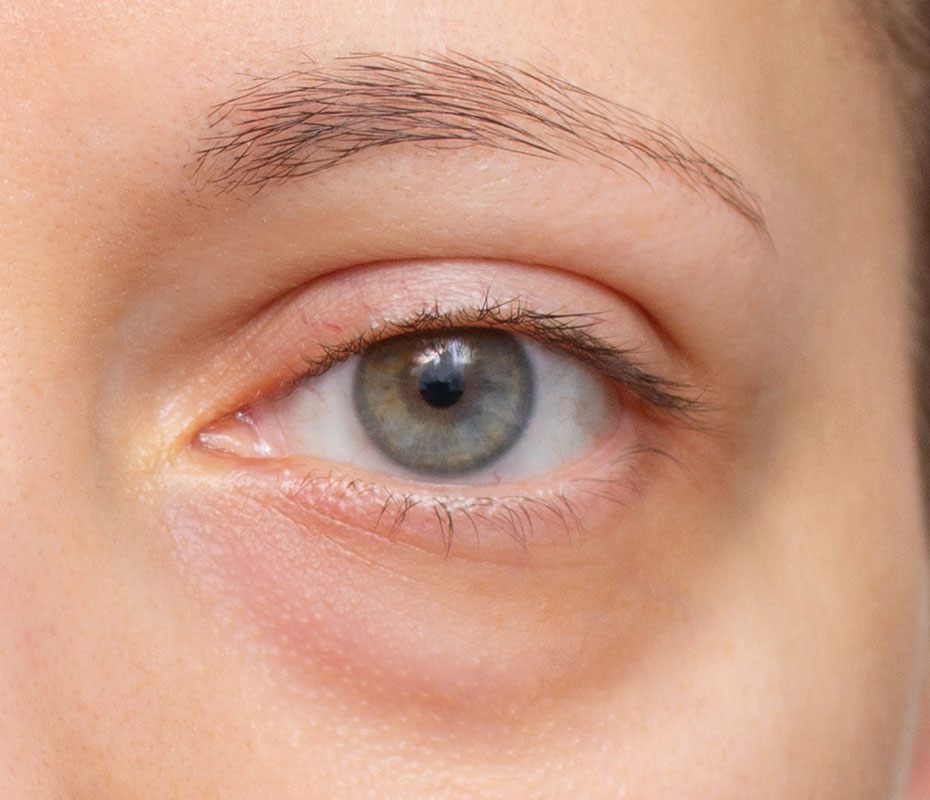
Under-eye bags refer to the mild swelling, fullness or puffiness that appears under the eyes. These can be caused by a variety of factors, including bulging fat pads, fluid retention, allergies, and genetics. Under-eye bags can affect anyone, regardless of age or skin type, and can be a source of self-consciousness and embarrassment.
The skin around the eyes is delicate, and factors such as ageing, lifestyle choices, and genetics can contribute to the formation of these bags. Causes of bags under eyes include ageing, genetics, and lifestyle choices. Treatments range from skin therapies to surgical options like blepharoplasty.
WHAT CAUSES UNDER-EYE BAGS?
Several factors can contribute to the development of under-eye bags, including:
Ageing: As we age, the tissues and muscles supporting the eyelids weaken. The fat that helps support the eyes can move into the lower eyelids, causing them to appear puffy. Additionally, the skin may sag and fluid may accumulate in the area below the eyes. This natural aging process also leads to a decrease in collagen production, further contributing to the loss of skin elasticity and the prominence of blood vessels, which can accentuate dark circles. The body’s ability to produce collagen diminishes with age, leading to sagging skin and more pronounced under-eye bags.
Fluid Retention: Changes in weather, hormone levels, or eating salty foods can cause fluid retention, leading to swelling under the eyes. This is often exacerbated by lying flat while sleeping, which can cause fluids to settle in the under-eye area. Using an extra pillow to keep the head slightly raised can help reduce this effect. Puffiness naturally subsides over the day as the body reabsorbs the excess fluid.
Lack of Sleep: Insufficient sleep can cause the skin under the eyes to appear paler, making dark circles more noticeable. Sleep deprivation can also lead to stress, which may worsen the appearance of under-eye bags by affecting overall skin health. Ensuring adequate sleep can improve skin tone and texture, helping to minimize the appearance of bags.
Allergies: Allergic reactions can cause swelling and redness, including under the eyes. Allergies can also lead to itchiness, causing individuals to rub their eyes, which can worsen puffiness and discoloration. Managing allergy symptoms with antihistamines and avoiding known allergens can help reduce these effects.
Genetics: A family history of under-eye bags or dark circles can increase the likelihood of developing them. Genetic predisposition may affect the skin type, such as thinner skin or darker skin tones, which can make blood vessels more visible and contribute to the appearance of dark circles. Changes in skin colour due to genetics can also play a role in the visibility of under-eye bags.
Lifestyle Factors: Smoking, excessive alcohol consumption, and poor diet can exacerbate the appearance of under-eye bags. Smoking can damage skin cells and lead to premature aging, while alcohol can cause dehydration and fluid retention. Consumption of alcohol can lead to dilated blood vessels under the eyes, making bags more prominent. A balanced diet rich in antioxidants and vitamins can promote healthy skin and reduce puffiness.
Medical Conditions: Conditions such as thyroid issues or dermatitis can also contribute to the formation of under-eye bags. These medical conditions may require specific treatments to address the underlying cause, and consulting with a healthcare professional is essential for proper diagnosis and management.
Understanding the specific cause or combination of causes is crucial in effectively treating under-eye bags. Consulting with a specialist can provide a tailored treatment plan based on your specific condition and lifestyle. By addressing these factors, individuals can take proactive steps to reduce the appearance of under-eye bags and improve overall skin health.
CHARACTERISTICS OF UNDER-EYE BAGS AND DARK CIRCLES:
- Prominent Fat Pads: With age, the deeper fat can bulge producing eye bags
- Swelling: Slight puffiness or swelling under the eyes. Fluid can pool in the under-eye area, contributing to puffiness.
- Discoloration: Dark circles may accompany the bags, giving a tired appearance.
- Sagging Skin: Over time, the skin may become loose and saggy.
- Texture Changes: The skin under the eyes may appear more creased or wrinkled.
Under-eye bags and dark circles can affect individuals of all ages and skin types. Although they are not usually a sign of a serious health condition, they can impact one’s self-esteem and confidence. The appearance of under-eye bags can be exacerbated by factors such as stress, lack of sleep, and dehydration. Moreover, the natural aging process can lead to the thinning of the skin and loss of elasticity, making the blood vessels more visible, which contributes to the appearance of dark circles.
In addition to lifestyle changes and skincare routines, there are various treatment options available for individuals seeking to reduce the appearance of under-eye bags. These include non-invasive cosmetic procedures such as laser resurfacing and chemical peels, which can improve skin tone and texture. Laser resurfacing is a non-surgical option that improves the skin’s appearance and stimulates collagen production.
For more pronounced cases, surgical treatments like lower eyelid blepharoplasty can offer more dramatic results by removing excess fat or repositioning fat, and tightening the skin. Correcting bags through lower eyelid blepharoplasty can significantly reduce their appearance. An eyelid lift, or lower eyelid blepharoplasty, removes or repositions fat and may tighten skin, effectively eliminating under-eye bags and providing a youthful appearance.
HOW CAN YOU TREAT UNDER-EYE BAGS?
Various treatments can help reduce the appearance of under-eye bags. The choice of treatment often depends on the severity and underlying cause. Here are some common approaches:
1. Lifestyle Changes:
- Adequate Sleep: Ensuring enough quality sleep per night can reduce the appearance of bags. Sleep is essential for skin regeneration and helps maintain healthy skin cells, thereby reducing dark under eye circles.
- Healthy Diet: Reducing salt intake and staying hydrated can help prevent fluid retention. Consuming a balanced diet rich in antioxidants, vitamins, and minerals promotes skin health and can reduce under eye puffiness. Foods high in vitamin C and iron can also help improve skin tone and reduce the prominence of dark circles.
- Cold Compresses: Applying a cold compress can temporarily reduce swelling. Cold compresses constrict blood vessels, reducing swelling and the appearance of dark circles. Using chilled cucumber slices or a damp washcloth as a cold compress can also be effective.
2. Skincare Products:
- Topical Creams: Products containing ingredients like retinol, caffeine, or hyaluronic acid can help tighten the skin and reduce puffiness. These ingredients work to improve skin texture and stimulate collagen production, which can diminish the appearance of fine lines and dark circles.
- Eye Masks: Cooling eye masks or patches can provide a quick fix for under-eye puffiness. These masks often contain soothing ingredients that reduce swelling and improve skin’s elasticity, offering a refreshed look.
3. Non-Surgical Treatments:
Non-surgical treatments can offer effective solutions for those looking to improve under-eye bags without undergoing surgery. These treatments are typically less invasive, with minimal downtime, making them appealing options for many individuals. Here’s an expanded look at various non-surgical treatments available:
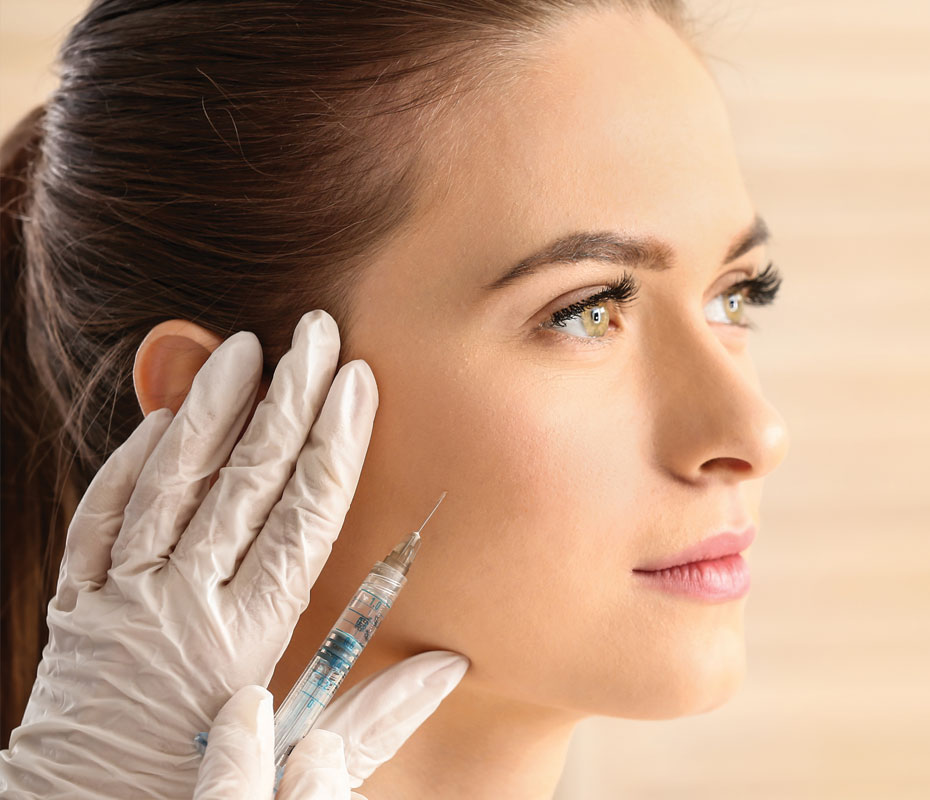
- Dermal Fillers: Injectable fillers are a popular choice for smoothing out under-eye hollows and minimising the appearance of bags. Tear trough fillers, often composed of hyaluronic acid gel, can restore lost volume and provide a rejuvenated, youthful appearance. The results are usually immediate, with effects lasting several months.
- Polynucleotides: This is an injectable regenerative treatment made from salmon DNA or sperm that builds collagen over time. It can have an excellent effect with early signs of eye bags.
- Chemical Peels: Chemical peels can significantly improve skin texture and reduce pigmentation issues. By removing the outer layer of skin, these peels promote the growth of new, healthier skin cells, effectively diminishing dark under-eye circles. They can be customized to suit different skin types and concerns, offering a tailored approach to skincare.
- Laser Therapy: Laser treatments are another non-surgical option that can tighten the skin and enhance its overall appearance. Combining laser resurfacing with Sciton Contour TRL, ProFractional or Halo with other treatments such as Sciton BBL for pigmentation can yield enhanced results, addressing concerns like loose skin and uneven skin tone. Laser therapy is known for stimulating collagen production, which is vital for maintaining firm and youthful skin.
- Microneedling: This innovative treatment involves using tiny needles to create micro-injuries in the skin, stimulating collagen production and improving skin elasticity. Microneedling can help reduce the visibility of blood vessels and enhance overall skin health, making it a valuable option for those looking to improve the texture and tone of their under-eye area.
- Topical Treatments and Eye Creams: Incorporating eye creams with active ingredients like retinol, caffeine, or peptides can complement non-surgical treatments. These products work to tighten the skin, reduce puffiness, and improve skin texture over time. Regular use can lead to noticeable improvements in the appearance of under-eye bags.
- Radiofrequency Treatments: These treatments use radiofrequency energy to heat the skin’s deeper layers, stimulating collagen production and tightening the skin. Radiofrequency treatments can be an effective way to address mild under-eye bags and improve skin firmness without the need for surgery.
These non-surgical treatments offer a range of options for individuals seeking to reduce under-eye bags and enhance their overall appearance. Consulting with a qualified skincare professional can help determine the most suitable treatment plan based on individual skin type and concerns. Evaluating the best treatment option is crucial for achieving optimal results.
4. Surgical Treatments:
Surgical treatments are often considered for individuals with more pronounced under-eye bags that do not respond well to non-surgical options. These treatments provide more permanent solutions and can significantly improve the appearance of the under-eye area. Here’s a closer look at some common surgical treatments:
- Lower Eyelid Blepharoplasty: This is a popular surgical procedure that involves the removal or repositioning of excess fat and skin from the lower eyelids. The procedure can effectively eliminate bags under the eyes and tighten the surrounding skin, resulting in a smoother and more youthful appearance. Lower eyelid blepharoplasty is performed by a plastic surgeon and may involve tiny stitches to ensure minimal scarring. Recovery time varies, but most patients can return to normal activities within a few weeks.
- Fat Transfer: In some cases, adding fat in conjunction with lower eyelid blepharoplasty may be required to improve the contour and reduce the appearance of eye bags. This technique can be particularly beneficial for individuals with both under-eye bags and tear trough hollows, providing a balanced and natural look for the long-term.
- Canthoplasty: This procedure involves tightening the lower eyelid to improve its position and support. Canthoplasty is often performed in conjunction with blepharoplasty to enhance results and ensure a more stable and youthful appearance.
- Reconstructive Surgery: For more complex cases following cancer or trauma, reconstructive surgery may be necessary to address cosmetic issues like under-eye bags, ensuring a more youthful and refreshed look.
Complimentary treatments
What to expect
- 30-minute consultation with a Plastic Surgeon
- Proprietary triage system guaranteeing referral to the most suitable practitioner
- Treatment carried out at Montrose London, a leading specialist skin, aesthetics and plastic surgery clinic
- Dedicated Patient Co-ordinator, as a personal point of contact through your journey at Montrose London
- Comprehensive post-treatment aftercare of our expert doctors and aestheticians

Thank you
Overall a disappointing experience, sterile and cold enough environment made bearable only by the maximalist decor. No serenity as portrayed in marketing features ie. Lack of music As a director within a private healthcare setting, very poor customer experience and not one I will be recommending to our own clientele.
I was advised if unhappy with results in 2 weeks to come back for a top up but work restrictions meant I did not attend for 4 weeks but was told that this was chargeable: disappointing again with lack of appreciation or flexibility for working professionals. No follow up provided or courtesy call as is often given at alternative aesthetic clinics.
Dr. Noy has been incredible from start to finish. It is a joy to go to this beautiful clinic, and care is second to none.


Receive regular updates and articles of interest regarding Montrose clinic and the world of aesthetics at large.
Newsletter Sign Up