
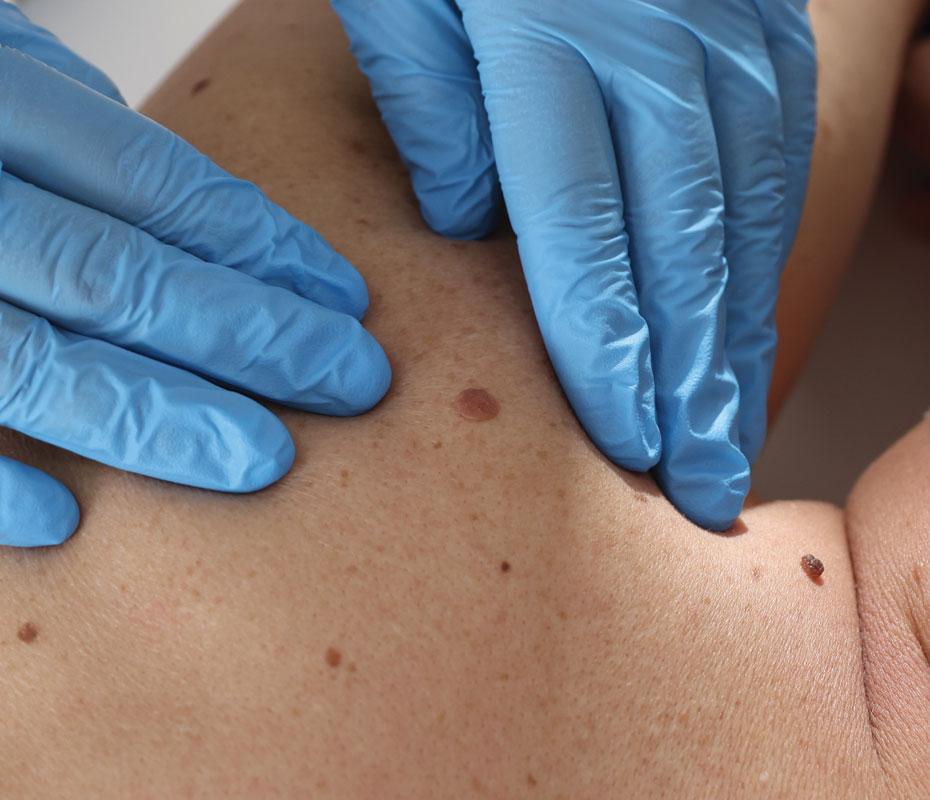
Melanoma
Melanoma is a type of skin cancer that develops from the pigment-producing cells known as melanocytes. It is the most serious form of skin cancer and can spread to other parts of the body if not treated early.
What Causes Melanoma?
Melanoma is primarily caused by damage to the DNA of skin cells, often due to ultraviolet (UV) radiation from the sun or tanning beds. Here are some common risk factors:
Risk Factors:
- UV Exposure: Frequent sunburns, especially in childhood, and use of tanning beds.
- Skin Type: Fair skin, light hair, and light eyes increase risk.
- Moles: Having many moles or unusual moles.
- Family History: A family history of melanoma or other skin cancers.
- Genetics: Certain genetic mutations can increase the risk.
Characteristics of Melanoma:
- Appearance: Often appears as a new mole or a change in an existing mole. Melanomas can have an irregular shape and multiple colours.
- Growth: It can grow quickly and become life-threatening within a short period.
- Location: Commonly found on the chest / back in men and on the legs in women but can develop anywhere on the skin.
- Stages: Ranges from Stage 0 (pre-cancerous – in situ) to Stage IV (spread to other organs).
How Can You Treat Melanoma?
Treatment for melanoma depends on the stage and location of the cancer, as well as the patient’s overall health.
Surgical Treatments:
- Mole removal (diagnostic excision): Removing the mole which then confirms melanoma
- Wide Excision: Removing the melanoma along with a margin of healthy skin.
- Sentinel Lymph Node Biopsy: Checking if the cancer has spread to nearby lymph nodes.
- Lymph Node Dissection: Removing affected lymph nodes.
Medical Treatments:
Immunotherapy: Boosts the body’s immune system to fight cancer.
Targeted Therapy: Uses drugs to target specific genetic changes in melanoma cells.
Prevention and Early Detection:
Regular Skin Checks: Self-examinations and routine dermatological check-ups / mole mapping.
Sun Protection: Use sunscreen, wear protective clothing, and avoid peak sun hours.
Avoid Tanning Beds: Tanning beds can significantly increase the risk of melanoma.
Complimentary treatments

What to expect
- 30-minute Consultation with a Dermatologist
- Proprietary Triage System: Ensuring referral to the most suitable practitioner.
- Treatment Carried Out at Montrose London: A leading specialist skin aesthetics and plastic surgery clinic.
- Dedicated Patient Coordinator: As a personal point of contact throughout your journey at Montrose London.
- Skin cancer nurse specialist (CNS): Information, advice and support

Thank you
Overall a disappointing experience, sterile and cold enough environment made bearable only by the maximalist decor. No serenity as portrayed in marketing features ie. Lack of music As a director within a private healthcare setting, very poor customer experience and not one I will be recommending to our own clientele.
I was advised if unhappy with results in 2 weeks to come back for a top up but work restrictions meant I did not attend for 4 weeks but was told that this was chargeable: disappointing again with lack of appreciation or flexibility for working professionals. No follow up provided or courtesy call as is often given at alternative aesthetic clinics.
Dr. Noy has been incredible from start to finish. It is a joy to go to this beautiful clinic, and care is second to none.


Receive regular updates and articles of interest regarding Montrose clinic and the world of aesthetics at large.
Newsletter Sign Up