
Cellulite
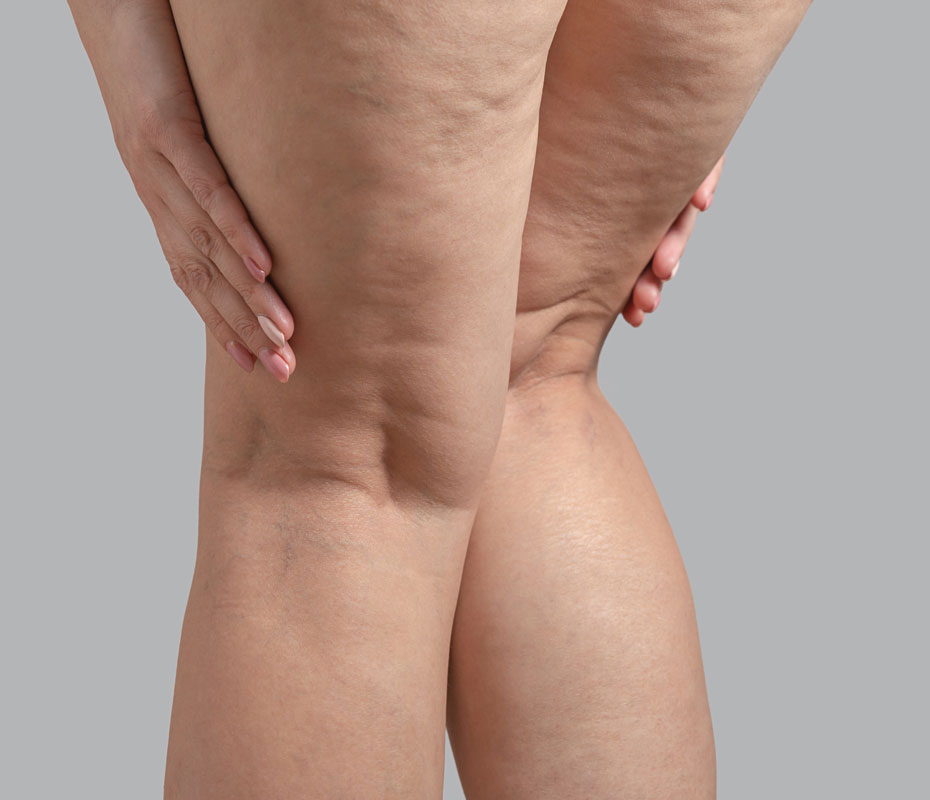
Cellulite is a common skin condition where the skin appears dimpled and lumpy. It occurs when fat deposits push through into the dermis of the skin. While it can affect both men and women, it is more common in women due to the different distributions of fat, muscle, and connective tissue.
What Causes Cellulite?
Several factors contribute to the development of cellulite, including:
- Genetics: A family history of cellulite can increase the likelihood of developing the condition.
- Hormonal Changes: Hormones such as oestrogen, insulin, noradrenaline, thyroid hormones, and prolactin play a role in cellulite formation.
- Ageing: As we age, the skin loses elasticity, becomes thinner, and is more likely to show cellulite.
- Lifestyle Factors: Poor diet, lack of exercise, and dehydration can contribute to the formation of cellulite.
- Body Fat: An increase in body fat can make cellulite more visible, although it can also occur in lean individuals.
- Skin Structure: Differences in skin structure and connective tissue can influence the appearance of cellulite.
Understanding the specific cause or combination of causes is crucial in effectively treating cellulite. Consulting with a specialist can provide a tailored treatment plan based on your specific condition and lifestyle.
Characteristics of Cellulite:
- Appearance: Dimpled or lumpy skin, often described as having a cottage cheese or orange peel texture.
- Location: Commonly found on the thighs, buttocks, hips, and abdomen.
- Severity: Can range from mild, with slight rippling, to severe, with deep depressions.
How Can You Treat Cellulite?
Various treatments can help reduce the appearance of cellulite. The choice of treatment often depends on the severity and underlying cause. Here are some common approaches:
1. Lifestyle Changes:
- Healthy Diet: Eating a balanced diet rich in fruits, vegetables, and lean proteins can help reduce body fat and improve skin health.
- Regular Exercise: Physical activity can help tone muscles and reduce fat, making cellulite less noticeable.
- Hydration: Drinking plenty of water can help keep the skin hydrated and reduce the appearance of cellulite.
2. Skincare Products:
- Topical Creams: Products containing caffeine, retinol, or other active ingredients can help improve skin texture and reduce the appearance of cellulite.
3. Medical Treatments:
- Microneedling Therapy: Laser treatments can help break down fat cells and stimulate collagen production to improve skin texture.
- Radiofrequency Therapy: Uses energy to heat the skin and underlying tissue, promoting collagen production and reducing cellulite.
- EMTone: A non-invasive treatment that combines radiofrequency and targeted pressure energy to reduce cellulite and improve skin texture.
What to expect
- 30-minute consultation with an aesthetician
- Proprietary triage system guaranteeing referral to the most suitable practitioner
- Treatment carried out at Montrose London, a leading specialist skin aesthetics and plastic surgery clinic
- Dedicated Patient Co-ordinator as a personal point of contact throughout your journey at Montrose London
- Comprehensive post-treatment aftercare by our expert doctors and aestheticians

Thank you
Overall a disappointing experience, sterile and cold enough environment made bearable only by the maximalist decor. No serenity as portrayed in marketing features ie. Lack of music As a director within a private healthcare setting, very poor customer experience and not one I will be recommending to our own clientele.
I was advised if unhappy with results in 2 weeks to come back for a top up but work restrictions meant I did not attend for 4 weeks but was told that this was chargeable: disappointing again with lack of appreciation or flexibility for working professionals. No follow up provided or courtesy call as is often given at alternative aesthetic clinics.
Dr. Noy has been incredible from start to finish. It is a joy to go to this beautiful clinic, and care is second to none.


Receive regular updates and articles of interest regarding Montrose clinic and the world of aesthetics at large.
Newsletter Sign Up