
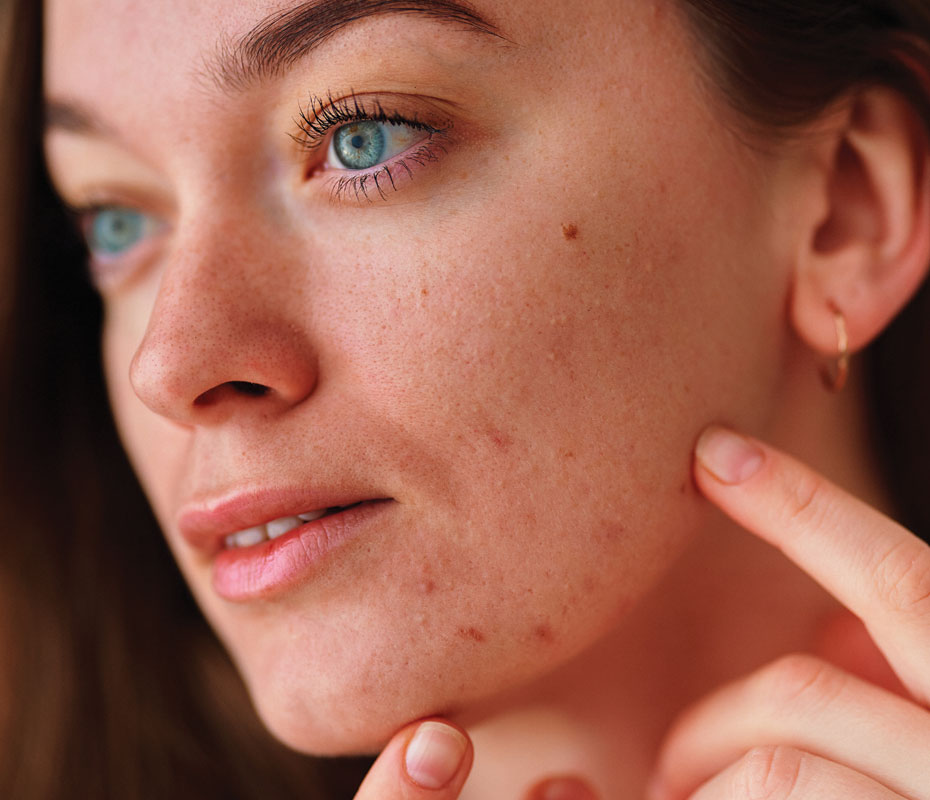
Adult Acne
Adult acne refers to acne that occurs in individuals aged 25 years and older. It can be a continuation of acne experienced during the teenage years or it can start for the first time in adulthood, which is sometimes referred to as "adult-onset acne."
Unlike teenage acne, which typically appears in the oily T-zone area (forehead, nose, and chin), adult acne more commonly affects the lower part of the face, including the cheeks, jawline, chin, and neck.
What causes Adult Acne?
Adult acne can be frustrating, and its causes are sometimes different from those of teenage acne. Here are some common factors that contribute to adult acne:
- Fluctuations in hormones, such as those during menstrual cycles, pregnancy, perimenopause, and menopause, or due to conditions like polycystic ovary syndrome (PCOS), can increase oil production and lead to acne.
- Stress can increase levels of cortisol and other hormones that prompt the skin to produce more oil, which can clog pores and cause breakouts.
- Using skin care products and makeup that are not non-comedogenic (i.e., they can block pores) can trigger or worsen acne.
- Certain medications, including corticosteroids, testosterone, lithium, and others, can cause acne as a side effect.
- Recent research suggests a link between diet and acne. High-glycemic-index foods (like sweets and sugary drinks) and dairy products may influence or exacerbate acne in some people.
- A family history of acne can increase your risk of developing it as an adult.
- Pollution and high humidity can clog and irritate your skin, leading to breakouts.
- Harsh skincare routines that strip the skin of its natural oils can lead the skin to produce more oil, exacerbating acne issues.
- Sometimes, acne can be a sign of an underlying medical condition. For instance, PCOS or adrenal hyperplasia can cause acne due to hormonal imbalances.
Understanding the specific cause or combination of causes is crucial in effectively treating adult acne. If you are struggling with persistent acne, it is often beneficial to consult with a dermatologist who can provide a tailored treatment plan based on your specific condition and skin type.
What does Adult Acne look like?
Acne can vary significantly in appearance depending on its severity and type. Here are some common features of acne:
- Small, round blemishes with a white tip at the center, which are pores clogged with sebum (skin oil), bacteria, and dead skin cells that remain closed at the skin surface.
Similar to whiteheads, but these pores are open at the surface of the skin. The black appearance is not due to dirt but to the oxidation of the debris within the pore when it is exposed to air. - Small, raised, red bumps that may feel tender or sore. These result from inflammation or infection in the hair follicles.
- Pimples that are red at the base with pus at the top, giving them a white or yellowish appearance. These are inflamed and may be painful to touch.
- Larger, solid, painful lumps beneath the surface of the skin, formed by the buildup of secretions deep within hair follicles that have become inflamed.
- Large, pus-filled lesions that look similar to boils and carry the highest risk of causing scarring. They are generally painful and are located deeper in the skin than nodules.
These various types of acne can appear on the face, chest, back, shoulders, and neck. Acne is not just a cosmetic issue but can also lead to significant emotional distress and skin scarring if not managed properly. If you have acne and it bothers you or is persistent, seeing a dermatologist is advisable to get appropriate treatment.
How can you treat Acne?
Dermatologists employ a variety of treatments to manage acne, depending on its severity and the individual’s skin type. The goal of treatment is to reduce pimples, prevent scarring, and minimize the emotional stress acne can cause. Here’s an overview of common acne treatments used by dermatologists:
1. TOPICAL MEDICATIONS
- Creams, gels, and lotions containing retinoids (e.g., tretinoin, adapalene, tazarotene) work by preventing the clogging of hair follicles.
- Topical antibiotics (e.g., clindamycin, erythromycin) help reduce inflammation and the number of bacteria on the skin.
- Often used in combination with other treatments, it works by killing bacteria underneath the skin, helping to clear pores and reduce inflammation.
- Helps prevent pores from becoming plugged by breaking down whiteheads and blackheads.
- A natural acid that kills bacteria and reduces inflammation, it’s also useful for skin discoloration.
2. ORAL MEDICATIONS
- Oral antibiotics (e.g., doxycycline, minocycline) are usually prescribed for moderate to severe acne, especially when topical treatments alone aren’t effective.
- For women, certain birth control pills can be effective in treating acne by reducing the amount of oil the glands produce.
- Such as spironolactone, these drugs work by blocking the effect of androgens (male hormones) that can contribute to acne symptoms in women.
- A powerful medication used for severe, resistant, or scarring acne. It dramatically reduces the size of the oil glands and the amount of oil production, prevents hair follicles from becoming blocked, kills bacteria, and reduces inflammation.
3. THERAPIES
- Exposes the skin to different types of light to target and kill the bacteria that contribute to acne. Various devices might be used, including blue light, red light, or a combination.
- These involve the application of a chemical solution to the skin, which exfoliates the surface and can help clear clogged pores.
- Dermatologists use special tools to gently remove blackheads and whiteheads that haven’t cleared up with topical medications.
- Corticosteroid injections can be used to treat nodules and cystic lesions by reducing inflammation and promoting healing, often rapidly.
4. DIET AND LIFESTYLE CHANGES
- Dermatologists might also recommend changes in diet and lifestyle to help manage acne. This could include moderating the intake of sugar and dairy products or adopting a low-glycemic diet.
Treatment choices depend on the severity and persistence of acne, and often a combination of treatments is employed to achieve the best results. Patience and consistency are key, as it can take several weeks to see improvements. Regular follow-ups with the dermatologist are important to adjust treatments as needed.
Related conditions
Complimentary treatments
What to expect
- 30 minute consultation with a Consultant Dermatology
- 30 minute consultation with a Consultant Dermatology
- 30 minute consultation with a Consultant Dermatology




Thank you
Overall a disappointing experience, sterile and cold enough environment made bearable only by the maximalist decor. No serenity as portrayed in marketing features ie. Lack of music As a director within a private healthcare setting, very poor customer experience and not one I will be recommending to our own clientele.
I was advised if unhappy with results in 2 weeks to come back for a top up but work restrictions meant I did not attend for 4 weeks but was told that this was chargeable: disappointing again with lack of appreciation or flexibility for working professionals. No follow up provided or courtesy call as is often given at alternative aesthetic clinics.
Dr. Noy has been incredible from start to finish. It is a joy to go to this beautiful clinic, and care is second to none.


Sign up to our newsletter
Receive regular updates and articles of interest regarding Montrose clinic and the world of aesthetics at large.
Newsletter Sign Up