
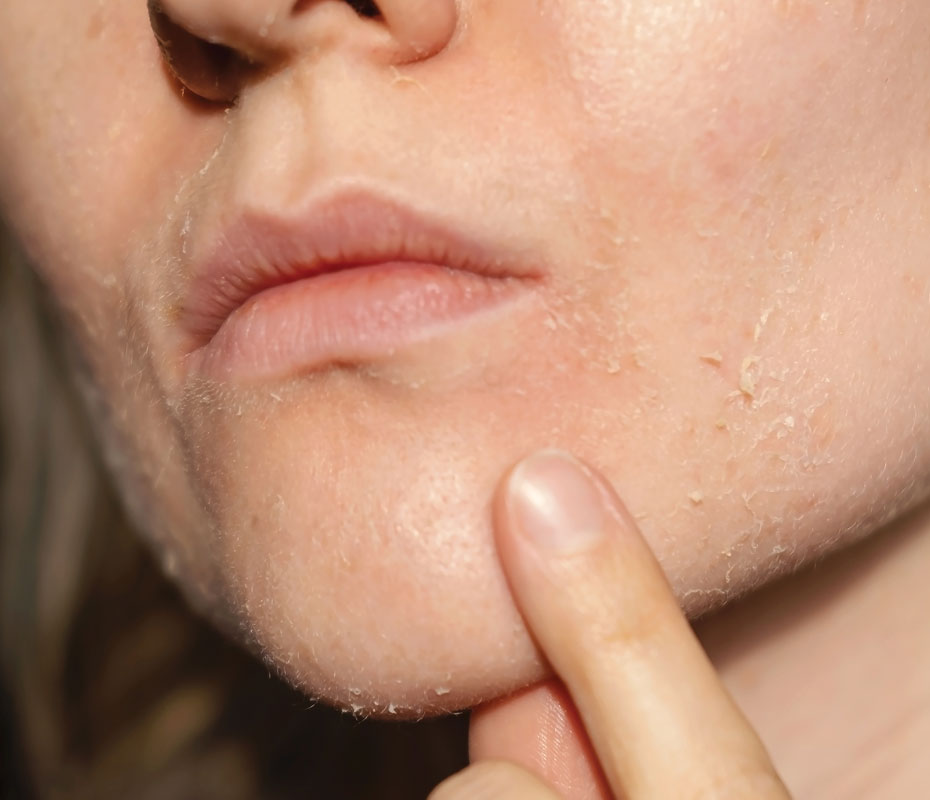
Dermatitis & Dry Skin
Dermatitis is a general term for skin inflammation. It typically results in itchy, dry, and irritated skin. The severity and appearance of dermatitis can vary greatly depending on the type and cause. The appearance and colour of dermatitis can also vary depending on skin type.
Dermatitis is a broad term that encompasses various skin conditions characterised by inflammation, including eczema, psoriasis, and many others. Treatment aims to alleviate symptoms and may involve topical therapies, oral medications, and lifestyle changes to prevent dermatitis flare-ups.
What Causes Dermatitis?
The exact cause of dermatitis can vary, depending on the condition. However, it usually involves a combination of genetic, environmental, and immune system factors. Common causes of dermatitis can be broken down as follows:
- Genetics: A family history of dermatitis or allergies increases the likelihood of developing atopic eczema. Individuals with a background of hay fever, asthma, or eczema are more prone to experiencing symptoms. The genetic predisposition can affect the skin barrier’s integrity, making it more susceptible to irritants and allergens.
- Irritants: Such as soaps, detergents, and shampoos. These substances can strip the skin of its natural oils, leading to dryness and irritation. Frequent exposure to harsh chemicals or solvents can exacerbate skin inflammation, resulting in contact dermatitis. Occupational exposure, such as in hairdressers or cleaners, can increase the risk of irritant contact dermatitis.
- Allergens: Including pollen, pet dander, and certain foods. Allergic contact dermatitis occurs when the skin reacts to specific allergens, leading to an allergic reaction characterized by an itchy rash and swelling. Identifying and avoiding these allergens is crucial in managing symptoms. Food allergies, such as those to nuts or dairy, can also trigger atopic eczema flare-ups.
- Stress: Can trigger or worsen dermatitis. Emotional stress can impact the immune system, leading to increased skin sensitivity and flare-ups.
- Climate: Cold, dry weather can cause dry skin, leading to dermatitis. Environmental factors, such as low humidity and extreme temperatures, can compromise the skin’s protective barrier, making it more vulnerable to irritation. Using a humidifier and applying moisturizers regularly can help maintain skin hydration and prevent dermatitis flare-ups.
What Does Dermatitis Look and Feel Like?
Dermatitis can appear differently depending on the type. Common signs include:
- Redness and Inflammation: Affected areas are typically red and inflamed, often accompanied by a warm feeling to the touch. This redness is a direct result of the body’s immune response to an irritant or allergen, causing blood vessels to widen and increase blood flow to the affected area. In individuals with skin of colour, this inflammation may appear a purple or brownish hue.
- Dry and Scaly Skin: Skin can become dry and flaky, often due to a compromised skin barrier, which fails to retain moisture effectively. Regular moisturising can help alleviate this symptom.
- Itching: Dermatitis often causes intense itching, which can be particularly bothersome and lead to further irritation if scratched. Itching is a common symptom across all types of dermatitis and can significantly impact daily life, causing sleep disturbances and increased stress levels.
- Blisters: In some cases, blisters may form and ooze, especially in conditions like dyshidrotic eczema. These blisters can be painful and prone to infection if not properly cared for. The fluid-filled blisters usually appear on the hands and feet and can cause a burning or stinging sensation.
Understanding these common symptoms can aid in the early identification and management of dermatitis, helping to prevent further skin complications and maintain skin health. It’s important to consult with a healthcare professional for an accurate diagnosis and appropriate treatment plan tailored to the specific type of dermatitis.
How Can You Treat Dermatitis?
There are several treatments available aimed at reducing symptoms and preventing flare-ups. These treatments focus on managing dermatitis symptoms and enhancing the skin’s protective barrier.
Understanding Treatment Options:
Dermatitis treatment plans are tailored to the individual’s specific type of dermatitis, symptom severity, and personal health considerations. The primary goal is to alleviate discomfort, reduce inflammation, and prevent future outbreaks.
Topical Treatments:
Topical therapies are often the first line of defence against dermatitis symptoms. They include:
- Moisturisers: Essential for keeping the skin hydrated and maintaining the skin barrier. Regular use of moisturisers can prevent dry skin, a common trigger for dermatitis flare-ups.
- Corticosteroids: These are anti-inflammatory medications that help reduce swelling, redness, and itching. Available in various strengths, they are used based on the severity of the dermatitis.
- Calcineurin Inhibitors: These non-steroidal medications help reduce inflammation and modulate the immune response, making them suitable for sensitive areas where corticosteroids might be too strong.
Oral Medications:
For more severe cases of dermatitis, oral medications may be prescribed:
- Antihistamines: These can alleviate itching and reduce allergic reactions, providing relief from discomfort.
- Antibiotics: Used when bacterial skin infections are present, antibiotics help clear the infection and prevent further complications.
- Immunosuppressants: In cases of severe dermatitis that do not respond to other treatments, these medications can help reduce the immune system’s overactivity.
Lifestyle and Home Remedies:
Incorporating certain lifestyle changes can significantly impact dermatitis management:
- Avoid Triggers: Identifying and avoiding specific irritants or allergens is crucial in preventing dermatitis flare-ups. This may involve changes in diet, environment, or personal care products.
- Use gentle skin care products: Avoid soap, which can alter the skin’s pH and strip the skin of its natural oils, which can lead to irritation. Fragranced products can also lead to irritation and allergy. Opt for bland soap substitutes and moinsturisers without fragrance where possible.
- Manage stress: Stress is known to be associated with many causes of dermatitis, and many people find that breathing exercised and yoga play a role in management of their skin condition.
- Maintain humidity: Using a humidifier in dry environments can help keep the skin hydrated and reduce the risk of dermatitis flare-ups.
Other clinical treatments:
- Allergy Patch Testing: Identifying specific allergens through tests can help tailor avoidance strategies and improve treatment outcomes.
- Phototherapy: Phototherapy uses ultraviolet light to reduce levels of inflammation in the skin and is an effective treatment for many causes of dermatitis.
What to expect
- 30-minute Consultation with a Dermatologist
- Proprietary Triage System: Ensuring referral to the most suitable practitioner.
- Treatment Carried Out at Montrose London: A leading specialist skin aesthetics and plastic surgery clinic.
- Dedicated Patient Coordinator: As a personal point of contact throughout your journey at Montrose London.
- Comprehensive Post-treatment Aftercare: With our expert doctors and aestheticians.

Thank you
Overall a disappointing experience, sterile and cold enough environment made bearable only by the maximalist decor. No serenity as portrayed in marketing features ie. Lack of music As a director within a private healthcare setting, very poor customer experience and not one I will be recommending to our own clientele.
I was advised if unhappy with results in 2 weeks to come back for a top up but work restrictions meant I did not attend for 4 weeks but was told that this was chargeable: disappointing again with lack of appreciation or flexibility for working professionals. No follow up provided or courtesy call as is often given at alternative aesthetic clinics.
Dr. Noy has been incredible from start to finish. It is a joy to go to this beautiful clinic, and care is second to none.


Sign up to our newsletter
Receive regular updates and articles of interest regarding Montrose clinic and the world of aesthetics at large.
Newsletter Sign Up