
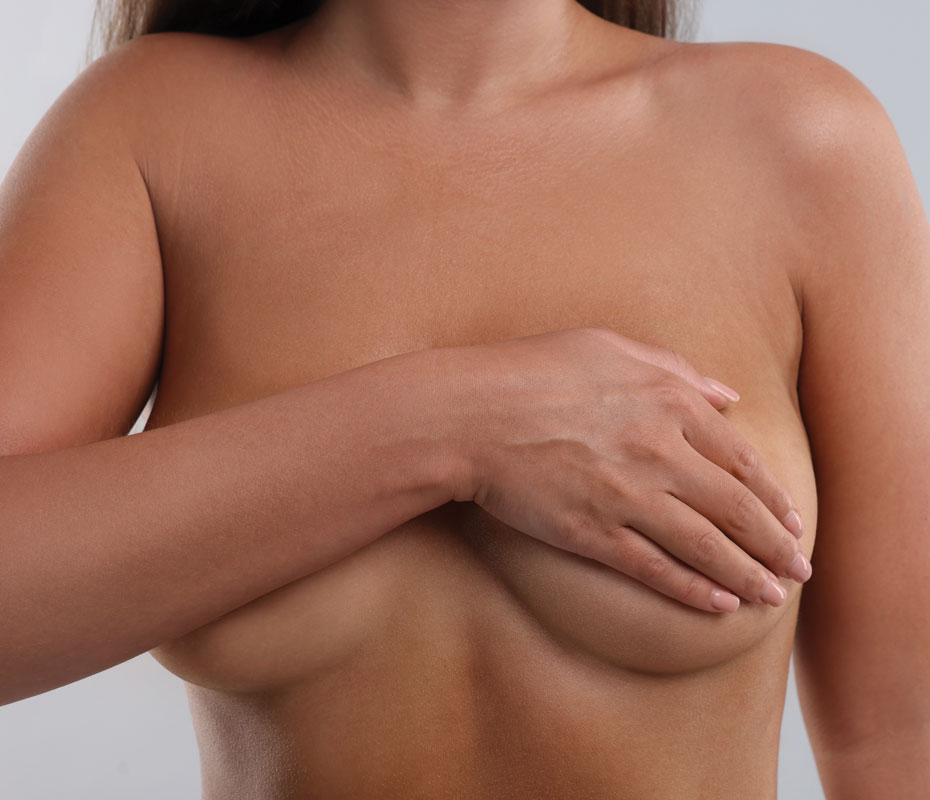
Large Breasts
Oversized breasts, also known as macromastia or gigantomastia, is a condition where the breasts are excessively large and may cause physical discomfort and emotional distress.
Many women experience a range of physical symptoms due to the size of their breasts, such as neck pain, shoulder pain, and skin irritation. The weight of very large breasts can lead to physical discomfort, with bra straps digging into the shoulders and causing indentation marks. Additionally, the heavy, overlapping breast skin can lead to skin issues beneath the breast crease, particularly in the breast fold, including rashes and infections.
What Causes Oversized Breasts?
Several factors can contribute to oversized breasts, including:
- Genetics: Inherited traits can determine breast size. If a family history of large breasts exists, it is likely that future generations may also experience this condition. Genetic predisposition plays a significant role in determining the volume of breast tissue and overall breast size. The amount of glandular tissue in the breasts, which is influenced by genetics, also plays a significant role in determining breast size.
- Hormonal Changes: Hormonal fluctuations during puberty, pregnancy, or menopause impact breast size. Hormones can also influence the proportion of glandular tissue in the breasts, further impacting overall breast size.
- Weight Gain: Excessive weight gain can increase breast size. As the body accumulates fat, it is stored in various areas, including the breasts. Weight gain can lead to an increase in breast volume due to the accumulation of excess fat. Maintaining a healthy weight can help manage breast size, although genetic factors still play a role.
- Medications: Certain medications can cause breast enlargement as a side effect. Some medications, such as hormone replacement therapies or certain antidepressants, can influence breast size. These medications may cause the body to retain fluid or alter hormone levels, contributing to breast enlargement. It is important to discuss any concerns about medication side effects with a healthcare provider to explore alternative options or adjustments if necessary. Additionally, some individuals may experience changes in breast size due to medical conditions such as hormonal imbalances or endocrine disorders, which should be evaluated by a healthcare professional.
Characteristics of Oversized Breasts: Excess Breast Tissue
- Disproportionate Size: Breasts are significantly larger than average for the person’s body frame, often leading to a noticeable imbalance in body proportions. This can result in difficulty finding clothing that fits well and may require custom or specially designed garments.
- Physical Discomfort: Can cause back, neck, and shoulder pain due to the weight of the breasts. The constant strain on the musculoskeletal system can lead to chronic pain and fatigue, which may interfere with daily activities and overall quality of life. Over time, this discomfort can contribute to poor posture and alignment issues.
- Skin Issues: May lead to skin irritation, rashes, and infections under the breasts. The friction and moisture trapped beneath the breast crease can exacerbate these issues, leading to persistent skin problems that require medical attention. In severe cases, these skin conditions can become infected, necessitating further treatment.
- Emotional Distress: Can cause self-consciousness and limit physical activity and clothing choices. The psychological impact of having oversized breasts can be profound, affecting self-esteem and confidence. Many women may feel uncomfortable in social situations or avoid activities that draw attention to their chest area. This emotional burden can lead to social withdrawal and impact mental health. Additionally, the inability to participate in certain physical activities can hinder weight management efforts, potentially leading to further health complications.
Other factors, such as genetics, lifestyle, and underlying health conditions, can also influence the severity of symptoms and impact quality of life.
Treatments for Oversized Breasts
There are various treatments available to reduce the size of oversized breasts and alleviate associated symptoms. Breast reduction is not only a medical intervention but also a cosmetic procedure that can improve body proportions and appearance. Here is an overview of common treatments: Insurance might pay some or all of the fees for breast reduction surgery for people who can show medical need.
Surgical Treatments: Breast Reduction Surgery
- Breast Reduction (Reduction Mammaplasty): Surgical procedure to remove excess breast tissue, fat, and skin to reduce breast size and reshape the breasts. Breast reduction is a common form of plastic surgery and cosmetic surgery, performed to address both physical and aesthetic concerns. The procedure can be performed on one or both breasts, depending on the individual’s needs. Various surgical procedures and surgical techniques are used to reshape the breast and reposition the nipple, including different incision patterns and pedicle methods. The nipple and areola are often repositioned, Most often to a more youthful, higher position. The surgery is typically performed under a general anaesthetic or local anaesthetic and sedation to ensure patient comfort and safety. After the procedure, plastic tubes (surgical drains) may be placed to remove excess fluids and are usually removed before discharge. Many women experience immediate relief from physical discomfort and an increase in self-confidence following the surgery. The procedure also reshapes the breasts, creating a more aesthetically pleasing appearance. Recovery typically involves a few weeks of healing and may require wearing a surgical bra to support the new breast shape during the initial healing process. Pain relief is prescribed to manage pain and swelling in the early post operative period. It is important to be aware of potential healing problems, such as delayed wound healing or tissue necrosis, which may require additional care.
- Liposuction: In some cases, liposuction can be used to remove excess fat from the breasts. Liposuction is a less invasive option for reducing breast size, particularly when excess fat is the primary concern. This procedure involves the removal of fat deposits through small incisions, resulting in minimal scarring and a quicker recovery time compared to traditional breast reduction surgery. Liposuction can be an effective option for those looking to achieve a modest reduction in breast size without the need for extensive surgery. However, it is important to note that liposuction may not address excess skin or significantly reshape the breast, making it more suitable for individuals with good skin elasticity and specific goals in mind.
What to expect
- 30-minute consultation with a Plastic Surgeon.
- Proprietary triage system guaranteeing referral to the most suitable practitioner
- Treatment carried out at Montrose London, a leading specialist skin aesthetics and plastic surgery clinic
- Dedicated Patient Coordinator as a personal point of contact throughout your journey at Montrose London
- Comprehensive post-treatment aftercare with our expert doctors and aestheticians

Thank you
Overall a disappointing experience, sterile and cold enough environment made bearable only by the maximalist decor. No serenity as portrayed in marketing features ie. Lack of music As a director within a private healthcare setting, very poor customer experience and not one I will be recommending to our own clientele.
I was advised if unhappy with results in 2 weeks to come back for a top up but work restrictions meant I did not attend for 4 weeks but was told that this was chargeable: disappointing again with lack of appreciation or flexibility for working professionals. No follow up provided or courtesy call as is often given at alternative aesthetic clinics.
Dr. Noy has been incredible from start to finish. It is a joy to go to this beautiful clinic, and care is second to none.


Sign up to our newsletter
Receive regular updates and articles of interest regarding Montrose clinic and the world of aesthetics at large.
Newsletter Sign Up