
Rosacea
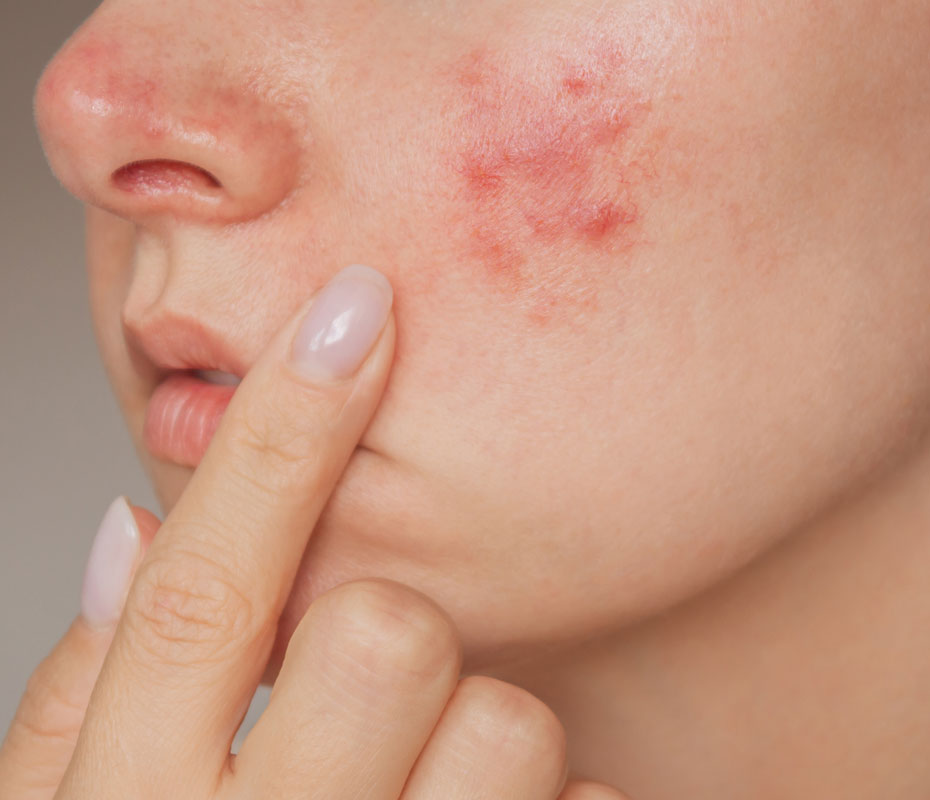
Rosacea is a chronic skin condition that primarily affects the face, causing redness, visible blood vessels, and sometimes small, red, pus-filled bumps. It is more common in women and people with fair skin, typically appearing between the ages of 30 and 50. The condition can have a significant impact on one’s self-esteem and quality of life due to its visible nature. Although it resembles acne, rosacea has distinct characteristics and requires different treatment approaches (the main difference being the presence of comedones or ‘whiteheads’ or ‘blackheads’ in acne). Individuals with rosacea may notice that factors such as sun exposure, spicy
What Is Rosacea?
Rosacea is a chronic skin condition that primarily affects the face, causing redness, visible blood vessels, and sometimes small, red, pus-filled bumps. It is more common in women and people with fair skin, typically appearing between the ages of 30 and 50. The condition can have a significant impact on one’s self-esteem and quality of life due to its visible nature. Although it resembles acne, rosacea has distinct characteristics and requires different treatment approaches (the main difference being the presence of comedones or ‘whiteheads’ or ‘blackheads’ in acne). Individuals with rosacea may notice that factors such as sun exposure, spicy foods and stress may trigger the condition although some not be able to identify any. Understanding these triggers is crucial for managing the condition effectively.
Early diagnosis and treatment can help mitigate more severe symptoms and prevent the progression of the condition.
Common Triggers: Persistent Facial Redness
Avoidance of or minimising exposure to triggers is important is managing rosacea. It is important to note however, that some patients are not able to identify any obvious precipitating factors.
- Hot Drinks and Spicy Foods: Consuming hot beverages and spicy food can cause flushing and aggravate symptoms of rosacea. These triggers increase blood flow to the skin’s surface, resulting in heightened facial redness and discomfort. Individuals with rosacea may find relief by opting for cooler drinks and milder foods.
- Alcohol: Particularly red wine, is known to trigger rosacea flare-ups. Alcohol causes blood vessels to dilate, leading to increased redness and visible blood vessels on the face. Patients with rosacea are often advised to limit alcohol intake or choose beverages that are less likely to exacerbate their symptoms.
- Temperature Extremes: Exposure to hot weather, sunlight, or cold wind can provoke rosacea symptoms. Sun exposure, in particular, is a significant factor, as UV radiation can damage the skin and worsen redness. Protecting the skin with high factor (at least SPF 50) sunscreen and dressing appropriately for the weather can help manage these triggers.
- Emotions: Stress, anger, or embarrassment can trigger rosacea flare-ups. Emotional stress can cause the body to release chemicals that increase blood flow to the skin, resulting in flushing. Stress management techniques, such as meditation and deep breathing exercises, can be beneficial for individuals with rosacea.
- Exercise: Strenuous activity can lead to flushing and exacerbate rosacea symptoms. While regular exercise is important for overall health, individuals with rosacea may need to modify their routines by engaging in lower-intensity activities or exercising in a cool environment to minimize flare-ups.
- Skin Care Products: Some cosmetics and skin care products can irritate the skin and worsen rosacea symptoms. Products containing alcohol, fragrances, or harsh chemicals are common culprits. Rosacea patients are encouraged to use gentle, fragrance-free products and to test new products on a small area of skin before full use.
Treatment
There is no cure for rosacea, but treatments can control and reduce the signs and symptoms. Effective management often involves a combination of medical treatments and lifestyle modifications tailored to individual needs.
Topical Treatments:
- Ivermectin cream: Reduces inflammation and mite burden on the skin. This is an effective and generally well tolerated first line treatment.
- Metronidazole and Azelaic Acid: Help reduce inflammation and pustules. These medications are commonly used to treat rosacea symptoms such as papules and pustules, offering relief from the discomfort associated with these skin problems.
- Brimonidine: Reduces redness by temporarily constricting blood vessels. This treatment is particularly effective for managing persistent facial redness and can be applied directly to the skin to provide relief from visible blood vessels. It is important to note that the effect will last several hours only and rarely patients have noted ‘rebound’ flushing after its effect has worn off. Patients may find this a useful temporary measure when attending an important event such as a wedding.
Oral Medications:
- Antibiotics: Tetracyclines such as doxycycline or lymecycline are effective in reducing inflammation in rosacea. These medications are often prescribed for more severe symptoms, helping to calm the skin’s inflammatory response and improve the appearance of rosacea.
- Isotretinoin: Used in severe cases, often in low dose, to reduce the size of oil glands and prevent clogging. This medication is generally reserved for cases where other treatments have been ineffective.
Laser Treatment and Light-Based Therapies:
Laser Therapy: Targets visible blood vessels and reduces redness. Laser treatments are particularly effective at removing visible blood vessels, offering a long-term solution for patients struggling with persistent redness. Laser treatment uses focused light beams to shrink dilated veins and reduce visible redness, offering a long-term solution for managing rosacea symptoms.
BroadBand Light Therapy (BBL): Reduces redness and visible blood vessels. This therapy uses advanced technology to target specific areas of the skin, providing a non-invasive option for improving the skin’s appearance.
Lifestyle and Home Remedies:
- Avoid Triggers: Identify and avoid known triggers. Keeping a diary to track flare-ups can help pinpoint specific triggers, allowing for better management of the condition.
- Gentle Skin Care: Use mild skin care products and avoid irritants. Individuals with rosacea should focus on maintaining a gentle skin care routine, using products specifically formulated for this condition to prevent further irritation.
- Sun Protection: Use broad-spectrum sunscreen daily. Protecting the skin from sun exposure is crucial, as UV rays can exacerbate symptoms. A sun protection factor (SPF) of at least 50 is recommended to shield the skin effectively.
- Patients may also seek support from the National Rosacea Society
Complimentary treatments
What to expect
- 30-minute Consultation with a Dermatologist
- Proprietary Triage System: Ensuring referral to the most suitable practitioner.
- Treatment Carried Out at Montrose London: A leading specialist skin aesthetics and plastic surgery clinic.
- Dedicated Patient Coordinator: As a personal point of contact throughout your journey at Montrose London.
- Comprehensive Post-treatment Aftercare: With our expert doctors and aestheticians.

Thank you
Overall a disappointing experience, sterile and cold enough environment made bearable only by the maximalist decor. No serenity as portrayed in marketing features ie. Lack of music As a director within a private healthcare setting, very poor customer experience and not one I will be recommending to our own clientele.
I was advised if unhappy with results in 2 weeks to come back for a top up but work restrictions meant I did not attend for 4 weeks but was told that this was chargeable: disappointing again with lack of appreciation or flexibility for working professionals. No follow up provided or courtesy call as is often given at alternative aesthetic clinics.
Dr. Noy has been incredible from start to finish. It is a joy to go to this beautiful clinic, and care is second to none.

Sign up to our newsletter
Receive regular updates and articles of interest regarding Montrose clinic and the world of aesthetics at large.
Newsletter Sign Up