
Skin Cancer
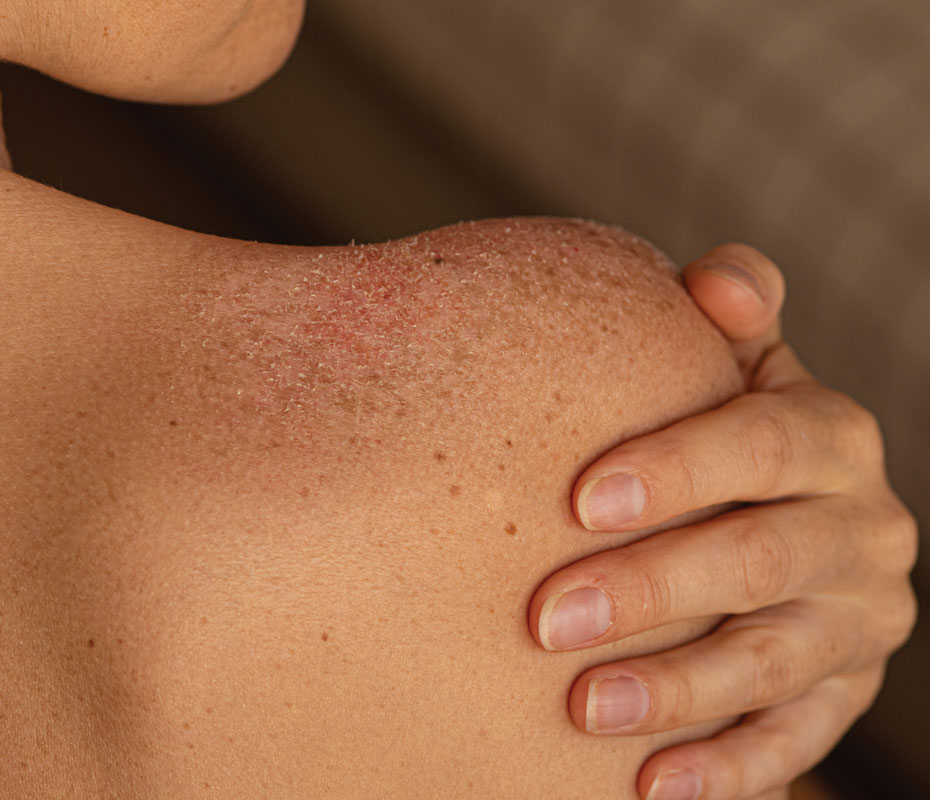
Skin cancer is a disease where malignant (cancer) cells form in the tissues of the skin. It is the most common type of cancer and primarily develops in areas of the skin exposed to the sun.
This page has been reviewed by:
What Causes Skin Cancer?
Skin cancer is primarily caused by damage to the DNA of skin cells, often due to ultraviolet (UV) radiation from the sun or tanning beds. Other factors may also contribute to the development of skin cancer.
Risk Factors:
- UV Exposure: Frequent sunburns, especially during childhood, and use of tanning beds.
- Skin Type: Fair skin, light hair, and light eyes increase the risk.
- Family History: A family history of skin cancer increases the likelihood.
- Genetics: Certain genetic mutations can increase the risk.
Types of Skin Cancer:
- Basal Cell Carcinoma (BCC): The most common type, often appearing as a painless raised area of skin that may be shiny or pearly.
- Squamous Cell Carcinoma (SCC): Usually appears as a red, scaly, thickened patch on the skin.
- Melanoma: The most serious form of skin cancer, developing from the pigment-producing cells known as melanocytes.
How Can You Treat Skin Cancer?
Treatment for skin cancer depends on the type, stage, and location of the cancer, as well as the patient’s overall health.
Surgical Treatments:
- Mole removal (diagnostic biopsy): Removing the lesion which confirms the diagnosis
- Wide Excision: Removing the cancerous tissue along with a margin of healthy skin.
- Mohs Surgery: Removing the cancer layer by layer and examining each layer under a microscope until no abnormal cells remain.
- Curettage and Electrodessication: Scraping away cancer cells and using electricity to kill any remaining cells.
Medical Treatments:
- Topical treatments: Chemotherapy or immune-modulating creams
- Immunotherapy: Boosts the body’s immune system to fight cancer.
- Targeted Therapy: Uses drugs to target specific genetic changes in cancer cells.
- Radiotherapy: Uses radiation to destroy cancer cells.
Prevention and Early Detection:
- Regular Skin Checks: Self-examinations and routine dermatological check-ups including mole mapping.
- Sun Protection: Use sunscreen, wear protective clothing, and avoid peak sun hours.
- Avoid Tanning Beds: Tanning beds can significantly increase the risk of skin cancer.
Complimentary treatments

What to expect
- 30-minute Consultation with a Dermatologist
- Proprietary Triage System: Ensuring referral to the most suitable practitioner.
- Treatment Carried Out at Montrose London: A leading specialist skin aesthetics and plastic surgery clinic.
- Dedicated Patient Coordinator: As a personal point of contact throughout your journey at Montrose London.
- Comprehensive Post-treatment Aftercare: With our expert doctors and aestheticians.

The staff at the Clinic are all very helpful and professional. I am grateful to the team for spotting changes to a couple of moles since my previous mole mapping which I was advised to have removed. This was done very efficiently by Mr Jonathan Dunne. One of which was actually a melanoma in situ so I’m very lucky to have visited you!
Thank you
Thank you
I have now had two visits to the Montrose Mole Mapping clinic. Both were wonderful experiences and I recommend others visiting
The mole mapping service and the clinic as a whole has been incredible to work with! Super thorough but efficient process for identifying and monitoring moles over time, and it takes the constant guesswork away for someone who has many moles to keep track of. Very seamless process with my insurance provider as well. Would highly recommend Montrose!
Super helpful dr and receptionist - beautiful flowers too!
Incredible pregnancy-safe facial. I had the Hydra Facial and everything was explained throughly and it was extremely relaxing too. Highly recommend.
Quite a disappointing experience. I had booked a 30 minute appointment for 12:30 and had to ask the receptionist at 12:45 regarding the delay who’s assured me that the doctor would not be much longer. Proactivity from the receptionist would have been courteous. I was finally taken in by the doctor at 12:50 who was lovely.
Overall a disappointing experience, sterile and cold enough environment made bearable only by the maximalist decor. No serenity as portrayed in marketing features ie. Lack of music As a director within a private healthcare setting, very poor customer experience and not one I will be recommending to our own clientele.
I was advised if unhappy with results in 2 weeks to come back for a top up but work restrictions meant I did not attend for 4 weeks but was told that this was chargeable: disappointing again with lack of appreciation or flexibility for working professionals. No follow up provided or courtesy call as is often given at alternative aesthetic clinics.
Overall a disappointing experience, sterile and cold enough environment made bearable only by the maximalist decor. No serenity as portrayed in marketing features ie. Lack of music As a director within a private healthcare setting, very poor customer experience and not one I will be recommending to our own clientele.
I was advised if unhappy with results in 2 weeks to come back for a top up but work restrictions meant I did not attend for 4 weeks but was told that this was chargeable: disappointing again with lack of appreciation or flexibility for working professionals. No follow up provided or courtesy call as is often given at alternative aesthetic clinics.
Very professional service and prompt well done 👍
Stunning clinic, brilliant care.
Dr. Noy has been incredible from start to finish. It is a joy to go to this beautiful clinic, and care is second to none.
Dr. Noy has been incredible from start to finish. It is a joy to go to this beautiful clinic, and care is second to none.
I highly recommend Montrose London. The friendliness of the staff is supreme. My dermatologist's professionalism is unbeatable - I really felt listened to. The ambiance of the office is very comfortable and relaxing. Number one in my eyes!


Sign up to our newsletter
Receive regular updates and articles of interest regarding Montrose clinic and the world of aesthetics at large.
Newsletter Sign Up