
Spider Veins
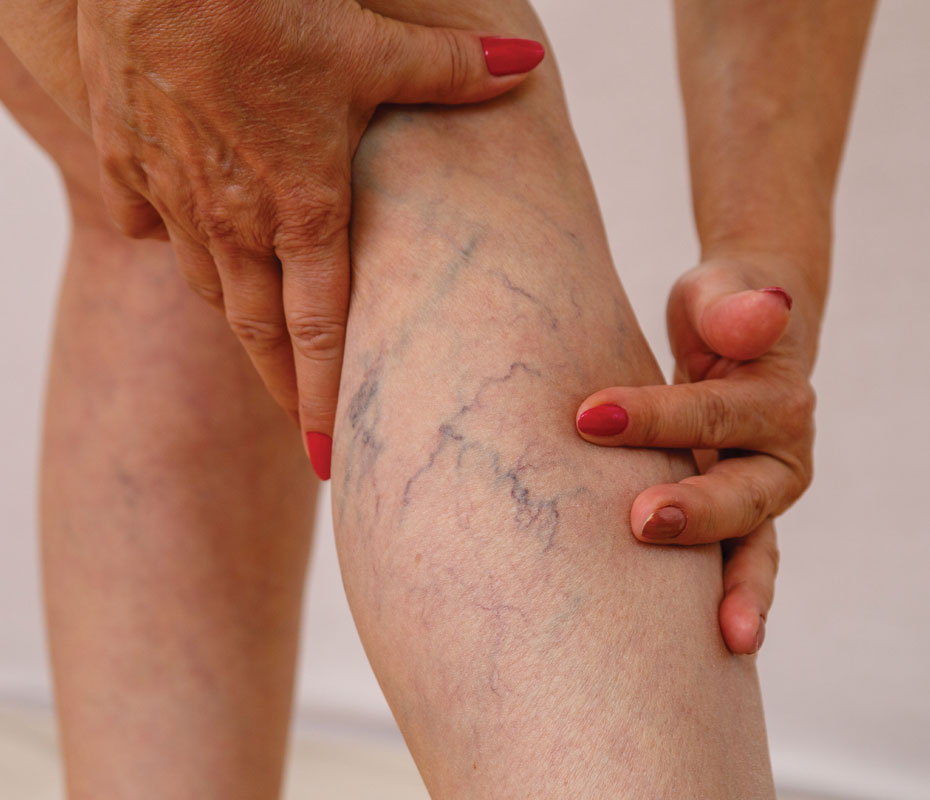
Spider veins, medically known as telangiectasias, are small, dilated blood vessels that appear near the surface of the skin. They often form a web-like pattern and can be red, blue, or purple. Commonly found on the legs and face, spider veins are usually a cosmetic concern rather than a medical issue.
WHAT CAUSES SPIDER VEINS?
Several factors contribute to the development of spider veins, including:
- Genetics: A family history of spider veins can increase the likelihood of developing them.
- Ageing: As we age, the valves in our veins may weaken, leading to spider veins.
- Hormonal Changes: Pregnancy, puberty, and menopause can cause hormonal fluctuations that may contribute to the formation of spider veins.
- Sun Exposure: UV rays can damage the skin and blood vessels, leading to spider veins, particularly on the face.
- Prolonged Standing or Sitting: Occupations or activities that involve long periods of standing or sitting can increase pressure in the veins of the legs, leading to spider veins.
- Weight: Excess body weight can put additional pressure on leg veins.
- Injury: Trauma or injury to the skin can sometimes result in spider veins.
Understanding the specific cause or combination of causes is crucial in effectively treating spider veins. Consulting with a specialist can provide a tailored treatment plan based on your specific condition and lifestyle.
Characteristics of Spider Veins:
- Appearance: Small, thin lines that resemble a spider’s web or tree branches.
- Colour: Can be red, blue, or purple.
- Location: Typically found on the legs and face.
How Can You Treat Spider Veins?
Various treatments can help reduce the appearance of spider veins. The choice of treatment often depends on the severity and underlying cause. Here are some common approaches:
Lifestyle Changes:
- Compression Stockings: Wearing compression stockings can help improve blood flow in the legs and reduce spider veins.
- Regular Exercise: Physical activity can improve circulation and help prevent the development of spider veins.
- Weight Management: Maintaining a healthy weight can reduce pressure on the veins.
Skincare Products:
- Topical Treatments: Creams and lotions containing retinoids can help improve the appearance of spider veins, particularly on the face.
Medical Treatments:
- Sclerotherapy: A common and effective treatment where a solution is injected into the veins, causing them to collapse and fade.
- Sciton Clear V: Delivering targeted and precise laser energy to gently eliminate vascular structures, which become less noticeable over time.
- Sciton BroadBand Light (BBL) Therapy: Uses light energy to reduce spider veins and improve skin appearance.
Complimentary treatments


What to expect
- 30-minute consultation with an aesthetician
- Proprietary triage system guaranteeing referral to the most suitable practitioner
- Treatment carried out at Montrose London, a leading specialist skin aesthetics and plastic surgery clinic
- Dedicated Patient Co-ordinator as a personal point of contact throughout your journey at Montrose London
- Comprehensive post-treatment aftercare by our expert doctors and aestheticians

Thank you
Overall a disappointing experience, sterile and cold enough environment made bearable only by the maximalist decor. No serenity as portrayed in marketing features ie. Lack of music As a director within a private healthcare setting, very poor customer experience and not one I will be recommending to our own clientele.
I was advised if unhappy with results in 2 weeks to come back for a top up but work restrictions meant I did not attend for 4 weeks but was told that this was chargeable: disappointing again with lack of appreciation or flexibility for working professionals. No follow up provided or courtesy call as is often given at alternative aesthetic clinics.
Dr. Noy has been incredible from start to finish. It is a joy to go to this beautiful clinic, and care is second to none.


Sign up to our newsletter
Receive regular updates and articles of interest regarding Montrose clinic and the world of aesthetics at large.
Newsletter Sign Up