
Mole Mapping
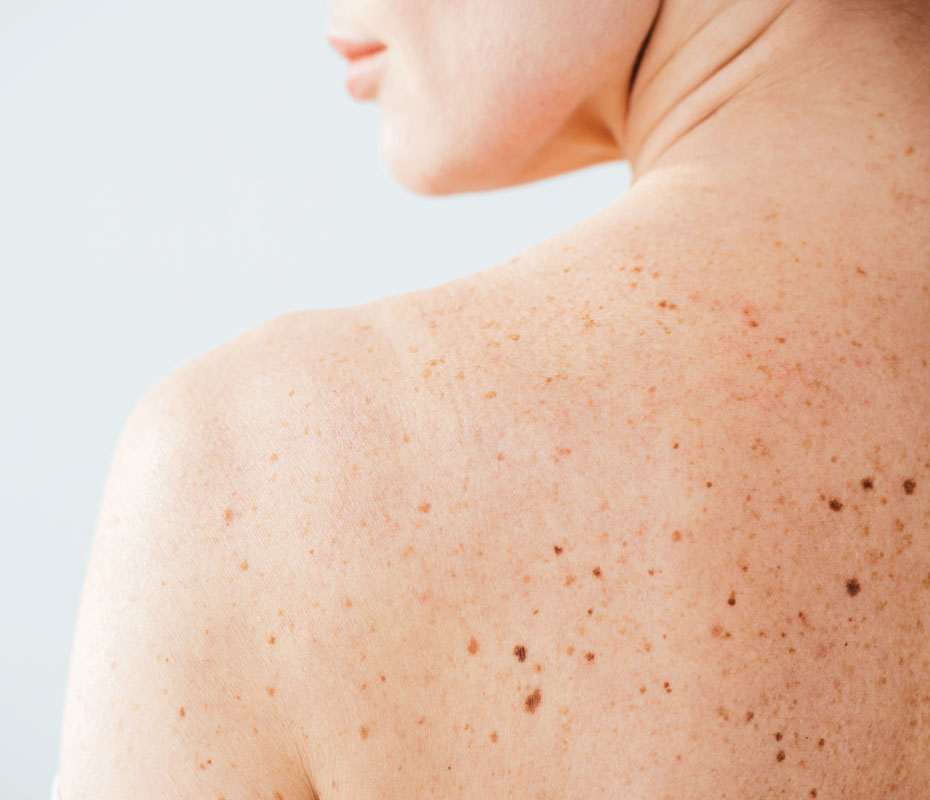
Mole mapping is a widely used term that covers assessing and recording moles and other skin lesions over time. The very best mole mapping uses high resolution photography and dermoscopic images taken in the same position over time, with changes overlaid between mapping sessions. Mole mapping helps to detect any changes that may indicate early signs of skin cancer.
An Overview
Objective
Time
Areas
Recovery
Frequency
Price
More about this treatment
At Montrose, this service is delivered using the Canfield IntelliStudio 3 with Dermagraphix technology. This state of the art technology ensures that every mapping session emulates the same conditions as the previous one. The device creates a mole map by capturing high-resolution images of the skin, it leverages advanced technology to capture the size, shape, colour, and location of moles accurately.
At Montrose London our specialist nurse practitioners, trained in advanced dermoscopy, conduct the imaging and assessments under the supervision of consultant dermatologists, confirming diagnoses and planning next steps if suspicious lesions are found.
What Is Mole Mapping?
Mole Mapping Is a Non-Invasive Procedure Designed to Provide a Comprehensive Overview of Every Mole on Your Body Using Advanced Digital Technology. During the Mole Mapping Process, High-Resolution Photographs Are Taken of Your Skin, Capturing the Size, Shape, and Location of Each Mole. These Images Are Securely Stored and Used as A Baseline for Future Comparisons, Making It Easier to Identify New or Changing Moles—an Important Early Sign of Skin Cancer. This Approach Is Especially Valuable for Individuals with A Large Number of Moles, a Family History of Skin Cancer, or Those Who Have Experienced Significant Sun Exposure. the Procedure Is Carried out By a Specialist Nurse, Who Will Carefully Assess Your Moles and Provide a Detailed Report on Their Findings. You Are Also Reviewed by A Consultant Dermatologist to Ensure that A Specialist Doctor Is in Charge of Your Care. by Having Your Moles Mapped in This Way, You Benefit from Expert Monitoring and Early Detection, Which Are Key to Maintaining Healthy Skin and Reducing the Risk of Skin Cancer.
Who Should Consider Mole Mapping?
Mole Mapping Is Particularly Recommended for Individuals at Higher Risk of Developing Skin Cancer. if You Have Fair Skin that Easily Burns, a Large Number of Moles, or A Personal or Family History of Skin Cancer, You May Benefit from This Proactive Approach. Those with A History of Skin Lesions or Pigmented Lesions, as Well as Anyone Who Has Had Significant Sun Exposure or Noticed New or Changing Moles, Should Also Consider Mole Mapping. This Procedure Is Ideal for Monitoring Multiple Moles and Detecting Suspicious Moles Early, Providing Peace of Mind and Allowing for Prompt Treatment if Any Potential Issues Are Detected. by Choosing Mole Mapping, You Take an Important Step in Safeguarding Your Skin Health, Ensuring that Any Changes Are Identified and Addressed at The Earliest Possible Stage. Whether You Want to Monitor Your Existing Moles or Keep an Eye out For New or Visually Abnormal Moles, Mole Mapping Offers a Thorough and Reliable Way to Detect Skin Cancer and Maintain Complete Peace of Mind.
More About the Treatment
Mole Mapping Involves High-Resolution, Full-Body Imaging Combined with Dermoscopic Photography of Specific Lesions. the Canfield Intelli Studio 3 with Dermagraphix Is the Most Advanced Imaging Platform Available, Offering Precise, Reproducible Images that Can Be Compared Over Time for Any Changes. Mole Mapping Involves Taking Digital Photographs that Are Securely Stored for Future Comparisons. Dermagraphix Software Enhances Diagnostic Accuracy by Integrating Dermoscopic Images Into a Dynamic Body Map, Making It Easier to Track the Evolution of Skin Lesions. Body Mole Mapping and Full Body Mole Mapping Provide a Comprehensive Overview of All Moles and Pigmented Lesions, Ensuring that No Area Is Overlooked During Assessment.
This Service Is Ideal for Individuals at Increased Risk of Skin Cancer, Including Those with Numerous Moles, a Personal or Family History of Melanoma, or Fair Skin Prone to Sunburn. Mole Mapping Is Particularly Useful for Monitoring People with A High Number of Moles. the Technology Is Used to Monitor Pigmented Lesions for Any Changes Over Time, Supporting Early Detection and Intervention. After the Assessment by A Specialist, a Body Mole Check Is Included as Part of The Service to Ensure a Thorough Examination of All Areas.
What Results Are Typically Achieved
Patients benefit from early detection of suspicious changes, allowing for intervention at an early stage and significantly improving prognosis in cases of skin cancer. The earlier skin cancers are detected, the higher the cure rate tends to be. The expertise of our team ensures the best possible outcomes for patients. High-definition images ensure even subtle changes in mole size, shape, or colour are caught early. Regular monitoring creates a comprehensive skin health record, reducing unnecessary biopsies and providing peace of mind. If suspicious changes are detected, the next steps may include further monitoring, additional tests, or referral to one of our team of plastic surgeons for surgical removal.
Results typically achieved
Preparing for your treatment
Prior to your visit to Montrose:Mole mapping includes a pre-screening questionnaire to identify personal risk factors.
Avoid applying moisturisers, makeup, or fake tan on the day of your appointment.
Wear loose-fitting clothing for ease of undressing and redressing.
Remove all jewellery and tie up long hair to ensure unobstructed images.
You will be welcomed by our reception team and given a brief overview of your appointment.
A consent form will be completed, and you will have the opportunity to ask any questions.
A trained nurse practitioner will guide you through a series of image captures using the Canfield IntelliStudio 3.
Specific moles of concern will be imaged using a dermatoscope and incorporated into the Dermagraphix body map.
All images and findings will be reviewed by a consultant dermatologist, who may recommend further action if needed. If a visually abnormal mole is identified, mole removal may be recommended.
Mole removal can often be performed on the same day or scheduled for a later date if preferred. These mole removal procedures are performed under local anaesthetic to ensure patient comfort.
Post Treatment Advice
- Resume normal activities immediately after your mole mapping appointment.
- You will receive a detailed report outlining your imaging results and any recommendations. Regular mole checks are advised as part of ongoing skin health monitoring.
- Follow-up mole mapping appointments may be advised annually or as indicated by your risk profile. The team will advise you on the frequency of future appointments and the importance of self-checking your skin between visits. Mole mapping is often recommended once a year for those at higher risk.
Questions you may have
Yes. It is a non-invasive, painless procedure involving photography only.
The whole process including mapping and appointment with the consultant dermatologist takes no more than an hour.
Mole mapping helps detect early changes in skin lesions that may indicate skin cancer, prompting early intervention. It allows for the identification of signs of skin cancer, such as changes in the appearance, shape, or colour of moles.
No referral is necessary. Self-referral is welcome, although your GP or dermatologist may also recommend the service.
Please check with your provider. Mole mapping may be reimbursed depending on your policy and risk factors.
What to expect
- Expect a professional and discreet experience led by expert nurse practitioners and consultant dermatologists—many patients choose mole mapping for its thoroughness and reliability.
- The procedure is efficient and comfortable, offering reassurance through cutting-edge technology and medical expertise; individuals with a personal history of skin cancer especially benefit from regular monitoring.
- During full body examinations, detecting new moles is crucial, as these may indicate early signs of skin cancer and require further investigation.
- Ongoing monitoring ensures long-term skin health, making mole mapping a vital component of proactive dermatological care, with the full body approach ensuring comprehensive care and early detection.
Related conditions
Complimentary treatments


Thank you
Overall a disappointing experience, sterile and cold enough environment made bearable only by the maximalist decor. No serenity as portrayed in marketing features ie. Lack of music As a director within a private healthcare setting, very poor customer experience and not one I will be recommending to our own clientele.
I was advised if unhappy with results in 2 weeks to come back for a top up but work restrictions meant I did not attend for 4 weeks but was told that this was chargeable: disappointing again with lack of appreciation or flexibility for working professionals. No follow up provided or courtesy call as is often given at alternative aesthetic clinics.
Dr. Noy has been incredible from start to finish. It is a joy to go to this beautiful clinic, and care is second to none.


Sign up to our newsletter
Receive regular updates and articles of interest regarding Montrose clinic and the world of aesthetics at large.
Newsletter Sign Up