
Sciton Halo
Sciton's HALO laser is an advanced skin treatment technology that uniquely combines ablative and non-ablative wavelengths to reduce downtime while effectively treating discolouration, sun damage and visible signs of ageing including fine lines and uneven skin tone. This hybrid fractional laser offers a comprehensive approach to skin rejuvenation, providing noticeable improvements in skin texture and appearance.
An Overview
Objective
Time
Areas
Recovery
Frequency
Price
More about this treatment
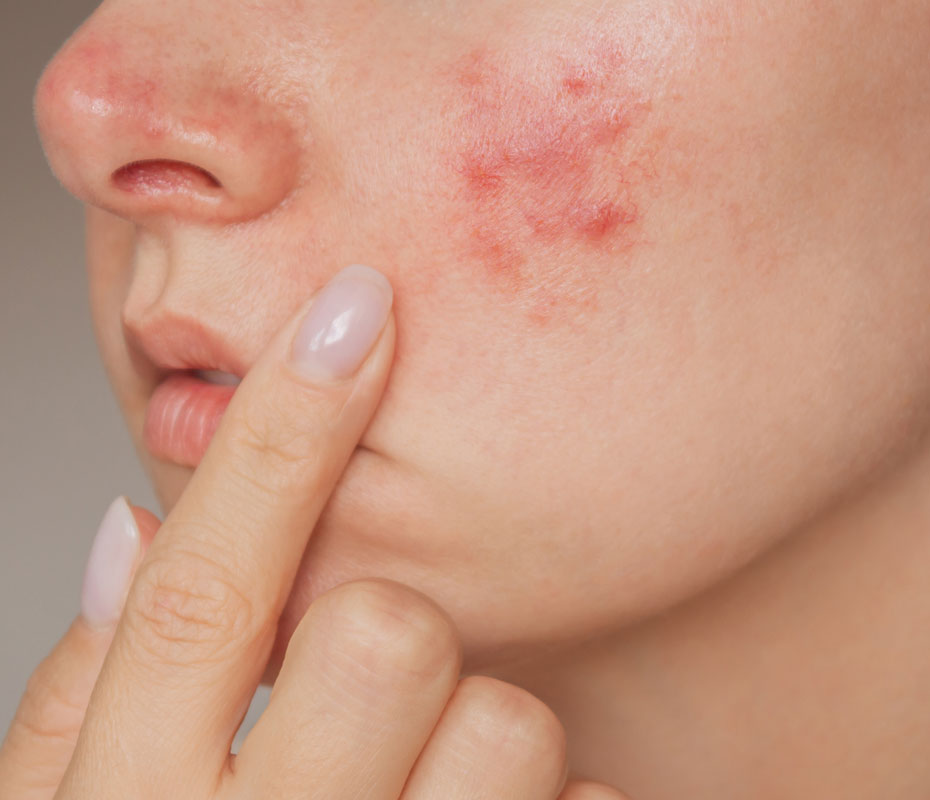
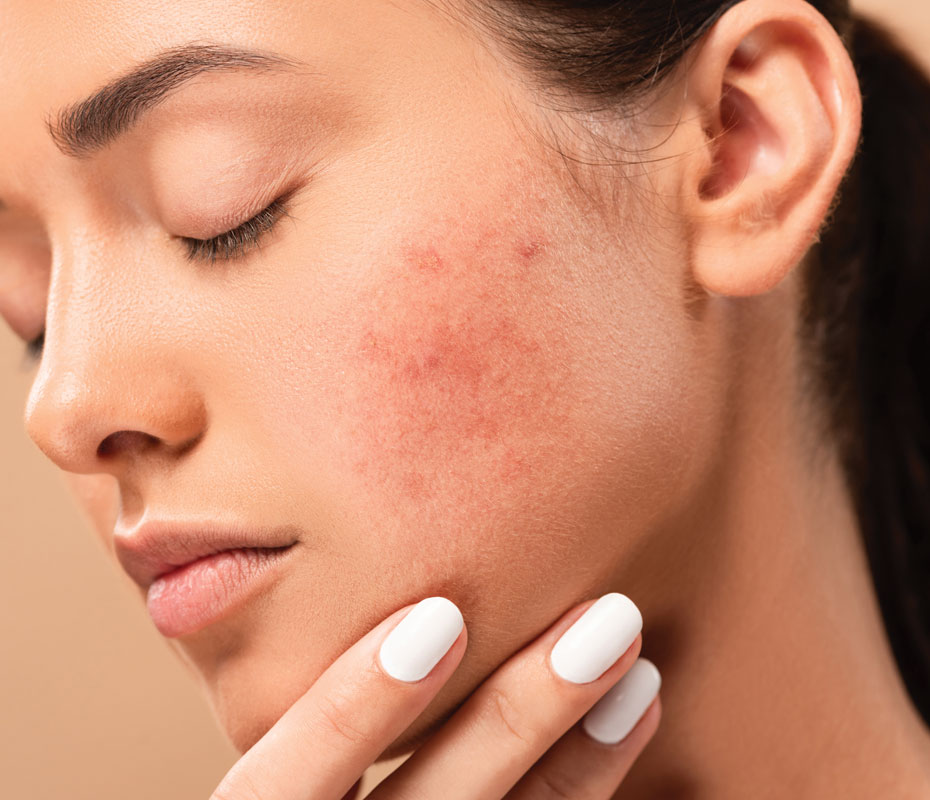
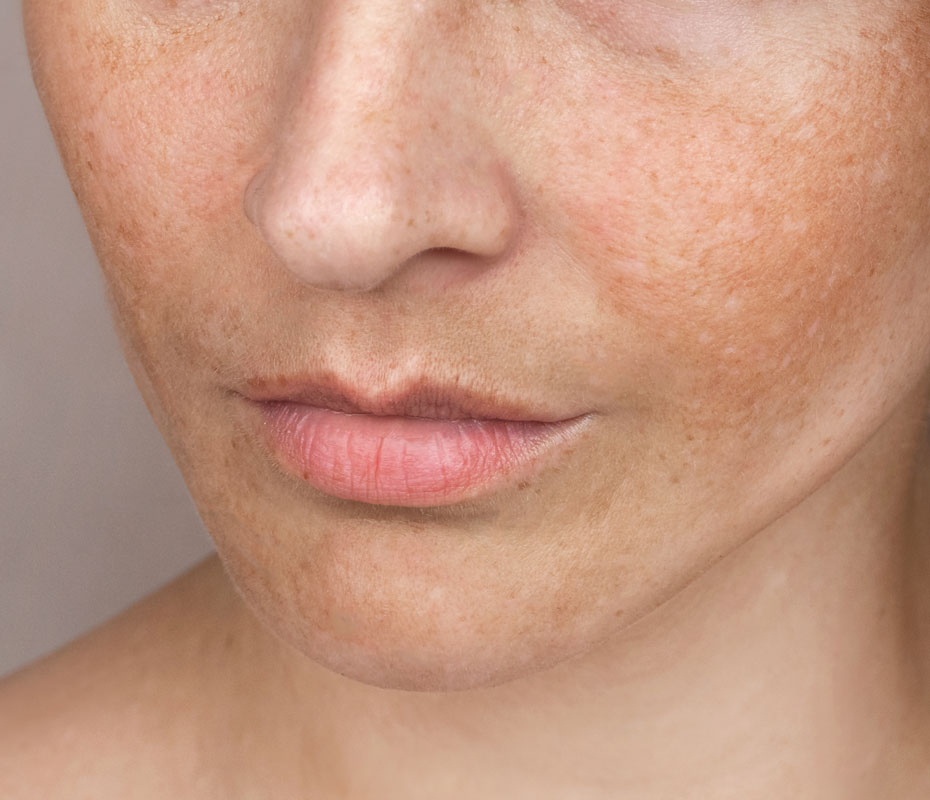
HALO is a hybrid fractional laser treatment that combines ablative and non-ablative wavelengths to address a variety of skin concerns. It is highly effective in treating sun damage, uneven skin tone, fine lines, wrinkles, enlarged pores, and can be used to treat scaring such as acne scarring.
HALO works by creating controlled microscopic trauma in the skin’s surface, stimulating the body’s natural healing response and promoting collagen production. This leads to smoother, more youthful-looking skin with improved tone and texture.
HALO’s unique technology allows for customisable treatment parameters, ensuring optimal results tailored to each patient’s specific needs. You may experience redness and mild swelling immediately following the procedure, but downtime is typically minimal compared to traditional ablative laser treatments.
The HALO laser treatment is designed to target both the superficial and deeper layers of the skin, offering a comprehensive solution for skin rejuvenation thereby effectively reduces signs of aging and skin damage. A single Halo laser treatment can reduce the appearance of fine lines and improve overall skin glow.
The combination of ablative and non-ablative wavelengths stimulates collagen production, resulting in a more even skin tone and improved skin reflectivity. As the healing process progresses, most patients notice a visible improvement in skin glow. After a course of treatments, patient can often also notice a reduction in enlarged pores.
The Sciton HALO laser’s motion tracking technology ensures precise treatment, adapting to the unique contours of each patient’s skin. HALO is suitable for various skin types, including darker skin tones, making it a versatile option for many individuals.
In addition to its effectiveness, the HALO treatment offers the benefit of minimal downtime. While the treated skin may exhibit some redness and swelling, these effects are temporary and typically resolve within a few days. The healing process involves the shedding of microscopic epidermal necrotic debris (MENDs), revealing new healthy skin underneath. To maintain the results and protect the skin, it is crucial to avoid sun exposure and follow post-treatment care guidelines provided by your practitioner.
Overall, the HALO laser treatment is an excellent choice for those seeking to improve skin texture, reduce fine lines, and achieve a more youthful appearance. With its customizable treatment options and ability to address a wide range of skin concerns, HALO offers a promising solution for achieving healthy, radiant skin.
What Results Are Typically Achieved for Skin Texture
HALO treatments offer noticeable improvements in skin tone, texture, and overall appearance. Patients can expect to see gradual yet significant changes in pigmentation, fine lines, and wrinkles over the following weeks and months. Halo treatments typically require 1 to 3 sessions to achieve optimal results, depending on individual goals and skin conditions. With multiple sessions often spaced 4-6 weeks apart, patients can achieve long-lasting results and maintain healthier, more youthful-looking skin.
Results typically achieved
Preparing for your treatment
Prior to Arrival at Montrose4 weeks prior: Avoid any aggressive treatments such as ablative laser or chemical peels. Try to minimise UV (sun or sun bed) exposure until after the laser treatment.
2 weeks prior: Avoid abrasive treatments including laser micro-needling, aggressive facials, and irritant topical products (acids, retinol, vitamin C, or mechanical scrubs).
1-2 weeks prior: You will need to come to Montrose for a patch test, which will take 10 minutes.
Blood thinners: If you are taking blood thinners, including NSAIDs such as aspirin or ibuprofen, discuss with your doctor whether it is possible to continue their use throughout your treatment course.
Your practitioner will remove any makeup, discuss any concerns, review your medical history, and photograph the treatment areas.
Numbing cream or local anaesthetic will be applied for 45-60 minutes. Thursday skin with be prepared with an antiseptic solution.
HALO treatments are entirely bespoke and can range from light and superficial to deep and aggressive. Your doctor will set the parameters based on the goals you have agreed with them. The treatment area will then be measured with motion tracking technology to ensure an even treatment. During the treatment, you will feel heat in the areas treated.
Once the treatment is completed, the sensation of heat will increase and you will likely develop erythema (local skin redness) and oedema (swelling) which can last a couple of days. The sensation of heat builds for thirty minutes to an hour after treatment before dissipating.
After treatment, micro-crusting will develop and typically small dots of skin will start shedding 3 to 5 days post-treatment. During this period of the healing process, you must keep your skin hydrated using appropriate products.
Videos
Post Treatment Advice
- 48 hours: Follow cleansing, moisturiser and SPF application as directed. Do not apply makeup to the treated area.
- 3-5 days: avoid any heat or sweat-generating activities saunas, hot baths, jacuzzis, and intense exercise.
- 14 days: Do not apply retinoids, vitamin C or actives unless directed by your practitioner.
- Until 8 weeks post treatment: Avoid sunlight on the treated area, use a hat where possible, and apply broad-spectrum physical SPF 50 which ideally protect against visible light too.
Questions you may have
There are different types of acne scarring and HALO can be helpful in managing some but not all types of acne scar. Occasionally for the best result it should be combined with other types of laser to manage more severe acnes scarring, such as profractional laser.
Individuals with active infections, inflammatory skin conditions, open wounds or on certain types of medication – for example Isotretinoin (Roaccutane) should avoid this procedure. Pregnant women are also not suitable candidates. Additionally, those with a tendency for facial cold sores should disclose this information to their practitioner, as special precautions may be necessary to manage potential outbreaks during the healing process. Consult a dermatologist or a plastic surgeon with an interest in lasers for personalized advice.
Proper skincare maintenance and sun protection are essential to optimise and prolong the benefits of HALO treatments. The results from Halo laser treatments can last for several years with proper skincare and sun protection. Your practitioner will provide a full aftercare protocol following your treatments. This typically includes avoiding sun exposure, using a broad-spectrum SPF, and following a gentle skincare routine to support the healing process and enhance the results of the treatment. Hydration is key, so applying moisturizers to keep the skin hydrated is recommended.
Common side effects may include temporary redness, swelling, and mild discomfort resembling a sunburn. Skin may also peel or flake temporarily.
Adhering to post-treatment care guidelines helps minimise these effects and promotes optimal healing. In some cases, patients may experience post-inflammatory hyperpigmentation, especially those with darker skin types, so it’s crucial to follow all post-treatment advice to mitigate this risk. If post-inflammatory pigmentation does occur, there are ways to manage this. The shedding of microscopic epidermal necrotic debris is a normal part of the healing process, revealing smoother, more radiant skin underneath.
Use of high grade products can prevent damage to your youthful, newly hydrated skin. Halo results last a year or two.
As the skin is numbed the treatment itself is not painful but the skin becomes hot over the course of the treatment. This is well mitigated using a cold air blower and ice packs which provide comfort. The pain related to the heat settles within a couple of hours.
HALO is not limited to a particular age group. It is more useful to note what conditions can be treated with Sciton HALO laser treatment; fine lines, sun damage, pigmentation problems and acne scarring.
When comparing Sciton BBL (BroadBand Light) and HALO laser treatments, it’s essential to consider the specific skin concerns you wish to address. BBL is primarily used for treating surface concerns such as pigmentation issues, such as sunspots, age spots, and vascular lesions, by using light energy to target and eliminate these irregularities. It is known for its ability to improve skin tone and clarity with minimal downtime.
On the other hand, HALO is a hybrid fractional laser treatment that combines both ablative and non-ablative wavelengths, making it more versatile in addressing a broader range of skin concerns, including fine lines, wrinkles, acne scars, and sun damage but is more involved and has more downtime.
BBL and HALO are often stacked – or used in combination to target different issues at the same time for the best results.
Ultimately, if only one or another is going to be used, the choice between BBL and HALO depends on your specific skin concerns, desired results, and willingness to undergo downtime.
Consulting with a dermatologist, plastic surgeon or an aesthetician with a specialist interest in lasewill help determine the most suitable treatment for your individual needs and goals.
When considering alternatives to the HALO laser, it’s important to evaluate the specific skin concerns you wish to address and the desired outcomes. While the HALO laser is renowned for its hybrid fractional laser technology, combining ablative and non-ablative wavelengths for comprehensive skin rejuvenation, there are other treatments that might offer different benefits depending on individual needs.
For instance, fully ablative lasers such as CO2 or Erbium:YAG laser treatments are known for their deep resurfacing capabilities, which can be beneficial for severe skin issues like deep wrinkles and extensive sun damage. However, CO2 lasers typically involve longer downtime and a more intensive healing process compared to HALO and would be considered excessive for some of the indications highlighted above.
On the other hand, treatments like Fraxel laser focus on non-ablative resurfacing, which can be beneficial for improving skin texture and tone with less downtime, though they may require more sessions to achieve results similar to HALO.
Ultimately, the effectiveness of any treatment will depend on factors such as skin type, specific concerns, and personal preferences.
What to expect
- An in-person consultation with a plastic surgeon or dermatologist at Montrose London to assess your skin concerns.
- A comprehensive treatment plan leveraging the expertise of your practitioner and the range of services offered by Montrose London.
- Follow-up visits to monitor the progress of treatment as needed.
Related conditions
Complimentary treatments



Thank you
Overall a disappointing experience, sterile and cold enough environment made bearable only by the maximalist decor. No serenity as portrayed in marketing features ie. Lack of music As a director within a private healthcare setting, very poor customer experience and not one I will be recommending to our own clientele.
I was advised if unhappy with results in 2 weeks to come back for a top up but work restrictions meant I did not attend for 4 weeks but was told that this was chargeable: disappointing again with lack of appreciation or flexibility for working professionals. No follow up provided or courtesy call as is often given at alternative aesthetic clinics.
Dr. Noy has been incredible from start to finish. It is a joy to go to this beautiful clinic, and care is second to none.


Sign up to our newsletter
Receive regular updates and articles of interest regarding Montrose clinic and the world of aesthetics at large.
Newsletter Sign Up