
Polynucleotides
The polynucleotides treatment is an advanced skin treatment designed to promote regeneration and improve skin texture and tone. This treatment utilises polynucleotides, which are natural DNA fragments that help repair and rejuvenate the skin. Polynucleotides are bio-stimulators derived from fragments of salmon DNA. Polynucleotide injections provide a non-surgical solution to enhance skin quality, reduce signs of ageing, and promote a more youthful appearance.
An Overview
Objective
Time
Areas
Recovery
Frequency
Price
More about this treatment
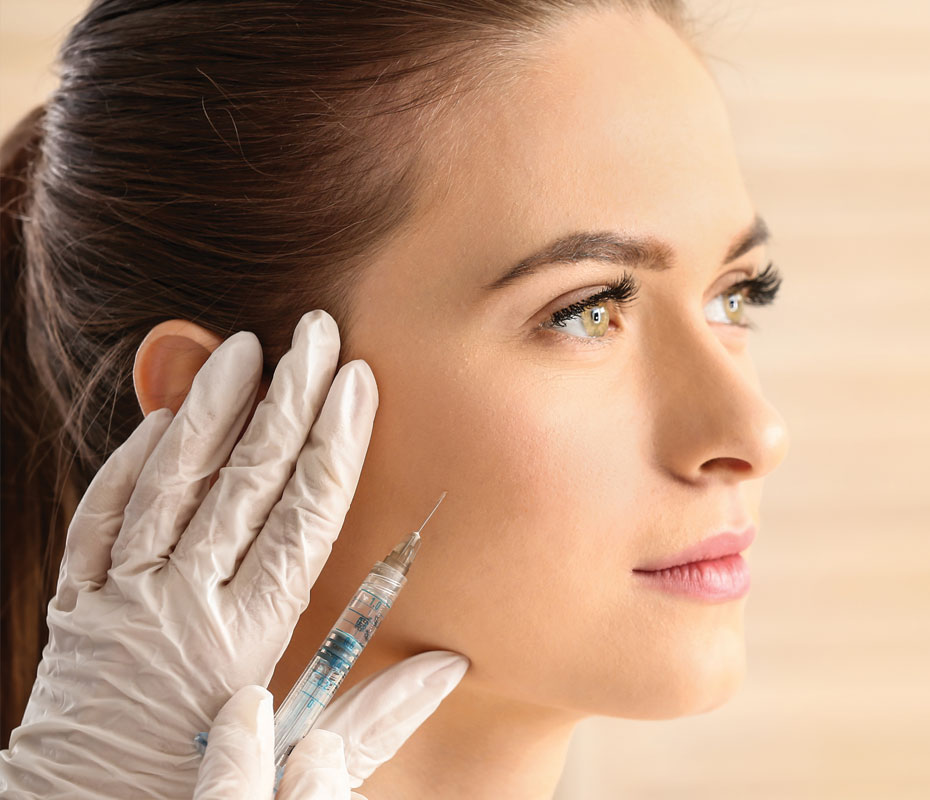
Polynucleotide injections work by introducing natural DNA fragments into the skin, which stimulate cell repair and regeneration. Polynucleotides activate specific receptors on fibroblast cells, prompting a healing response in the tissues. This process helps to improve skin hydration, elasticity, and overall quality. The procedure involves a series of small injectable treatments using fine needles or cannulas, targeting specific areas to achieve the desired effect. The treatment is minimally invasive and can be customised to meet individual aesthetic goals.
Polynucleotide treatments are gaining popularity in aesthetic medicine due to their ability to address various skin concerns effectively. Unlike traditional dermal fillers, which primarily add volume, polynucleotide injections focus on enhancing the skin’s intrinsic properties. By stimulating collagen and elastin production, these treatments help reduce fine lines and wrinkles, contributing to improved skin texture and elasticity, resulting in a more youthful and vibrant appearance. Moreover, polynucleotide injections improve skin elasticity by enhancing collagen production and cellular activity.
Polynucleotide injections are suitable for sensitive skin, as they utilise biocompatible materials that reduce the risk of allergic reactions.
The versatility of polynucleotide treatments extends beyond facial rejuvenation. They are also employed in treating under-eye areas, reducing dark circles and fine lines. Patients with severe acne scars can benefit from the regenerative properties of this innovative treatment, promoting visible skin regeneration and improving overall skin quality. As a non-surgical option, polynucleotide injections offer a safe and effective alternative to more invasive procedures, with minimal downtime and longer-lasting results.
What Results Are Typically Achieved to Improve Skin Texture
Polynucleotide injections offer improvements in skin texture, hydration, and overall tone. Patients can expect to see a reduction in fine lines and an overall more youthful and refreshed appearance. Polynucleotides are known to stimulate collagen production, further enhancing skin elasticity and firmness. Notably, patients experience improved skin elasticity, with studies showing an average increase by 22 percent within a short timeframe. The results typically last between 6 to 12 months, depending on individual factors such as metabolism and lifestyle.
This innovative treatment is particularly beneficial for those seeking to address various skin concerns without undergoing invasive procedures. By promoting skin regeneration and improving skin elasticity, polynucleotide injections can effectively tackle issues like sagging skin, dull skin, and visible signs of ageing. The treatment’s ability to enhance skin hydration and stimulate collagen and elastin production contributes to improved skin quality and a more radiant complexion.
Moreover, the treatment’s versatility extends to sensitive skin types, providing a safe and effective solution with minimal risk of allergic reactions. Patients often report not only an improvement in their skin’s appearance but also in its overall health and resilience. With the added benefit of minimal downtime, polynucleotide injections are becoming a preferred choice for those looking to maintain a youthful look and improve skin texture through advanced aesthetic treatments.
Preparing for your treatment
Prior to arrival at Montrose1 week prior: Avoid blood-thinning medications such as aspirin, ibuprofen, and certain supplements like vitamin E and fish oil to reduce the risk of bruising, if advisable by your doctor.
3 days prior: Minimise alcohol and caffeine consumption to help prevent swelling and bruising.
Your practitioner will remove any makeup, discuss your aesthetic goals, review your medical history, and examine the treatment areas. Photos may be taken for your medical records.
When numbing cream is required, this will be applied to the treatment area to minimise discomfort. Injectable treatments, such as polynucleotide injections, will then be administered using fine needles or cannulas. You may feel a slight pinch or pressure during the injections. The procedure typically takes between 30 to 45 minutes.
Post Treatment Advice
- 24 hours: Avoid touching, massaging, or applying pressure to the treated areas.
- 48 hours: Refrain from strenuous exercise, saunas, hot baths, and jacuzzis. Avoid excessive sun or heat exposure.
- 1 week: Avoid facial treatments, massages, or other aesthetic procedures.
- Ongoing: Use an ice pack to reduce swelling and apply arnica cream if bruising occurs. Stay hydrated and follow any additional aftercare instructions provided by your practitioner.
Questions you may have
Suitable candidates include individuals looking to enhance skin regeneration, improve texture, and achieve a firmer skin appearance. Polynucleotide injections are effective for those with mild to moderate signs of ageing or those seeking non-surgical skin improvement. The cell regeneration stimulated by polynucleotide treatment can also reduce the appearance of acne scars and stretch marks by enhancing collagen and elastin production, making it a versatile option for various skin concerns.
Individuals with severe allergies, active skin infections, or certain autoimmune conditions should avoid polynucleotide injections. Pregnant or breastfeeding women should not undergo polynucleotide treatments due to safety concerns. It is essential to discuss your medical history with a practitioner to determine suitability.
Proper skincare and sun protection are essential to optimise and prolong the benefits of polynucleotide injections. Your practitioner will provide a full aftercare protocol following your treatment.
Common side effects include temporary redness, swelling, and mild discomfort at the injection sites. Bruising may also occur. These effects typically subside within a few days. Adhering to post-treatment care guidelines helps minimise these effects and promotes optimal healing.
When considering aesthetic treatments to enhance skin quality, both Profhilo and polynucleotide treatments offer unique benefits. Profhilo is a revolutionary injectable treatment that primarily focuses on hydrating the skin and stimulating collagen and elastin production through high concentrations of hyaluronic acid. This treatment is known for its ability to improve skin texture and elasticity, providing a natural and youthful glow.
On the other hand, polynucleotide treatments focus on skin regeneration by introducing natural DNA fragments that stimulate cell repair and rejuvenation. This innovative treatment enhances skin hydration, elasticity, and overall skin quality by promoting collagen production. Polynucleotides are especially effective for treating various skin concerns such as fine lines, sagging skin, and acne scars.
In addition to these treatments, skin boosters are another effective option for skin rejuvenation. Skin boosters are specialised injectable treatments that enhance skin rejuvenation by stimulating collagen production and improving skin texture. They are particularly effective in boosting hydration and providing anti-aging benefits. Unlike Profhilo, which uses high concentrations of hyaluronic acid, skin boosters have unique compositions and mechanisms of action that set them apart. They can be compared to polynucleotides in their ability to promote skin regeneration, but they also offer distinct advantages in terms of hydration and anti-aging effects.
While Profhilo excels in delivering intense hydration and improving skin texture, polynucleotide treatments offer a broader scope of benefits, including tissue repair and regeneration. Skin boosters, meanwhile, provide a balanced approach by enhancing both hydration and collagen production. The choice between Profhilo, polynucleotides, and skin boosters depends on individual skin concerns and desired outcomes. For those seeking to enhance skin hydration and elasticity, Profhilo may be the preferred option. However, if the goal is to address a wider range of skin issues and promote visible skin regeneration, polynucleotide treatments or skin boosters could be more suitable.
Ultimately, all these treatments are effective in their own right, and the decision should be made in consultation with a qualified practitioner who can assess individual needs and recommend the best approach for achieving optimal skin health and rejuvenation.
Polynucleotides are complex molecules composed of long chains of nucleotides, which are the building blocks of DNA and RNA. Each nucleotide consists of three components: a sugar molecule, a phosphate group, and a nitrogenous base. The sequence of these nitrogenous bases encodes genetic information, playing a crucial role in cellular functions and biological processes. In the context of polynucleotide treatments, these molecules are often derived from natural sources, such as salmon DNA, ensuring biocompatibility and reducing the risk of adverse reactions. Polynucleotides are renowned for their ability to stimulate tissue repair and regeneration, making them highly effective in aesthetic treatments aimed at improving skin texture, elasticity, and overall quality. By leveraging the natural properties of polynucleotides, these treatments offer a powerful tool for addressing various skin concerns, promoting collagen production, and enhancing skin hydration and tone.
The number of polynucleotide treatment sessions required can vary depending on individual skin concerns and the desired outcomes. Typically, a series of 2 to 4 sessions is recommended to achieve optimal results. Each session is spaced approximately 3 to 4 weeks apart to allow the skin to fully respond and regenerate between treatments.
During the initial consultation, your practitioner will assess your skin’s condition and discuss your aesthetic goals to determine the most suitable treatment regimen. Some individuals may notice improvements after the first session, but for long-lasting and more pronounced results, completing the full course of recommended sessions is often necessary.
After the initial series of treatments, maintenance sessions may be advised every 6 to 12 months to sustain the benefits and continue enhancing skin quality. These follow-up sessions help in maintaining the improved skin texture, elasticity, and overall health achieved through polynucleotide treatments. As with any injectable treatment, individual responses can vary, so it’s important to have realistic expectations and follow your practitioner’s guidance for the best outcomes.
Polynucleotide treatments are known for their ability to rejuvenate and enhance skin quality, but the timeline for visible results can vary based on several factors. Typically, patients begin to notice improvements in skin texture and elasticity within a few weeks after the initial treatment session. The regenerative process initiated by polynucleotides involves stimulating collagen and elastin production, which gradually enhances skin hydration and firmness.
Most patients experience noticeable changes in their skin’s appearance after 2 to 4 sessions, with each session spaced approximately 3 to 4 weeks apart. These sessions allow the skin to fully respond and regenerate, optimizing the benefits of the treatment. While some individuals may observe early improvements, achieving the full spectrum of desired outcomes often requires completing the entire treatment regimen.
It’s important to note that individual responses to polynucleotide treatments can differ, influenced by factors such as age, skin condition, and lifestyle. Patients are encouraged to maintain realistic expectations and follow the aftercare instructions provided by their practitioner to maximize results. Regular follow-up sessions may be recommended to sustain the improvements and continue enhancing overall skin health and quality. By adhering to the prescribed treatment plan, patients can enjoy a more youthful, radiant complexion with improved skin texture and elasticity over time.
When considering aesthetic treatments, both polynucleotides treatment and dermal fillers have their distinct advantages, catering to different skin concerns and desired outcomes. Dermal fillers primarily focus on adding volume to specific areas of the face, such as the cheeks, lips, and nasolabial folds. They are highly effective in contouring and reshaping facial features, providing immediate results that enhance facial symmetry and fullness.
On the other hand, polynucleotides treatment offers a more holistic approach to skin rejuvenation. By introducing natural DNA fragments into the skin, polynucleotides stimulate cellular repair and regeneration, promoting improved skin texture, elasticity, and overall quality. This innovative treatment enhances skin hydration, stimulates collagen and elastin production, and addresses various skin concerns such as fine lines, sagging skin, and acne scars.
While dermal fillers deliver quick and visible changes in facial volume, polynucleotides treatment focuses on long-term skin health and regeneration. The choice between the two largely depends on individual goals. For those seeking immediate volume enhancement, fillers may be the preferred option. However, if the aim is to improve skin quality and achieve a more youthful appearance over time, polynucleotides treatment could be more suitable.
Ultimately, both treatments can complement each other when combined strategically in a comprehensive aesthetic plan. Consulting with a qualified practitioner is essential to determine the best approach based on personal needs and expectations, ensuring optimal results and satisfaction with the chosen treatment.
Polynucleotide treatments are generally well-tolerated by most patients, with minimal discomfort reported during the procedure. The use of fine needles or cannulas helps to reduce any potential pain, and numbing cream is often applied to the treatment area to further enhance patient comfort. Patients may experience a slight pinch or pressure during the injections, but this sensation is usually brief and manageable.
The procedure is designed to be minimally invasive, and most individuals find the process to be quite tolerable. The level of discomfort can vary depending on individual pain thresholds, the specific area being treated, and the technique used by the practitioner. However, any discomfort experienced during the treatment is typically short-lived.
Post-treatment, some patients may experience mild redness, swelling, or tenderness at the injection sites, but these side effects are usually temporary and subside within a few days. Following the aftercare instructions provided by your practitioner can help minimise these effects and ensure a smooth recovery.
What to expect
- An in-person consultation with a doctor at Montrose London to assess your aesthetic goals.
- A comprehensive treatment plan leveraging the expertise of your doctor and the range of services offered by Montrose London.
- Follow-up visits to monitor the progress of treatment as needed.
Complimentary treatments

Thank you
Overall a disappointing experience, sterile and cold enough environment made bearable only by the maximalist decor. No serenity as portrayed in marketing features ie. Lack of music As a director within a private healthcare setting, very poor customer experience and not one I will be recommending to our own clientele.
I was advised if unhappy with results in 2 weeks to come back for a top up but work restrictions meant I did not attend for 4 weeks but was told that this was chargeable: disappointing again with lack of appreciation or flexibility for working professionals. No follow up provided or courtesy call as is often given at alternative aesthetic clinics.
Dr. Noy has been incredible from start to finish. It is a joy to go to this beautiful clinic, and care is second to none.


Receive regular updates and articles of interest regarding Montrose clinic and the world of aesthetics at large.
Newsletter Sign Up