
Moles
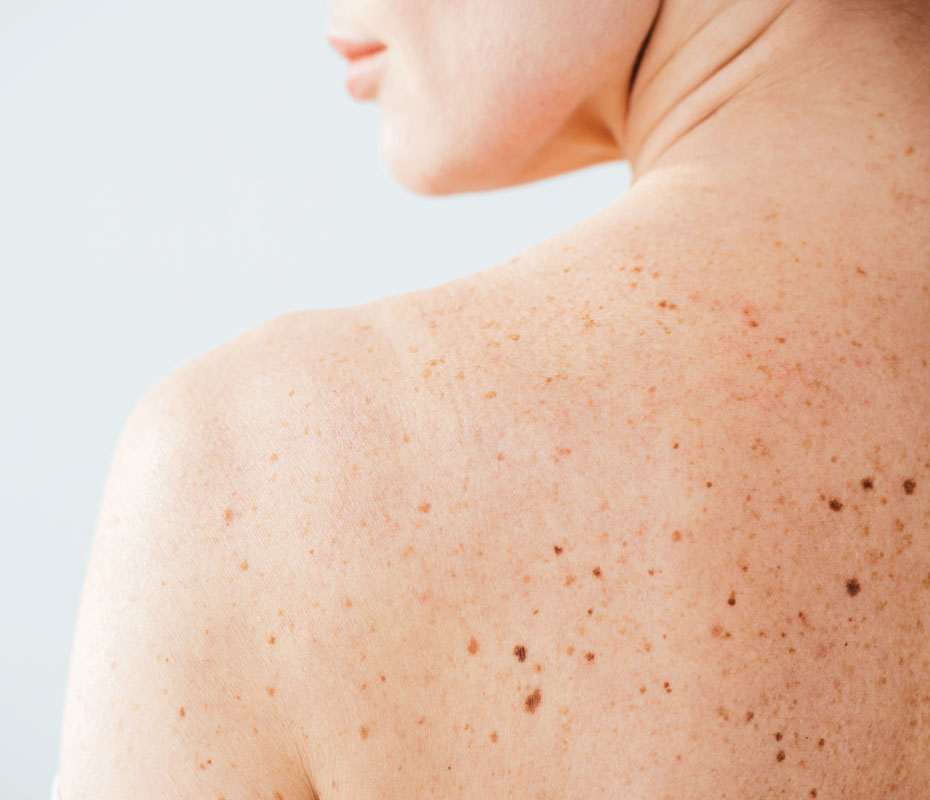
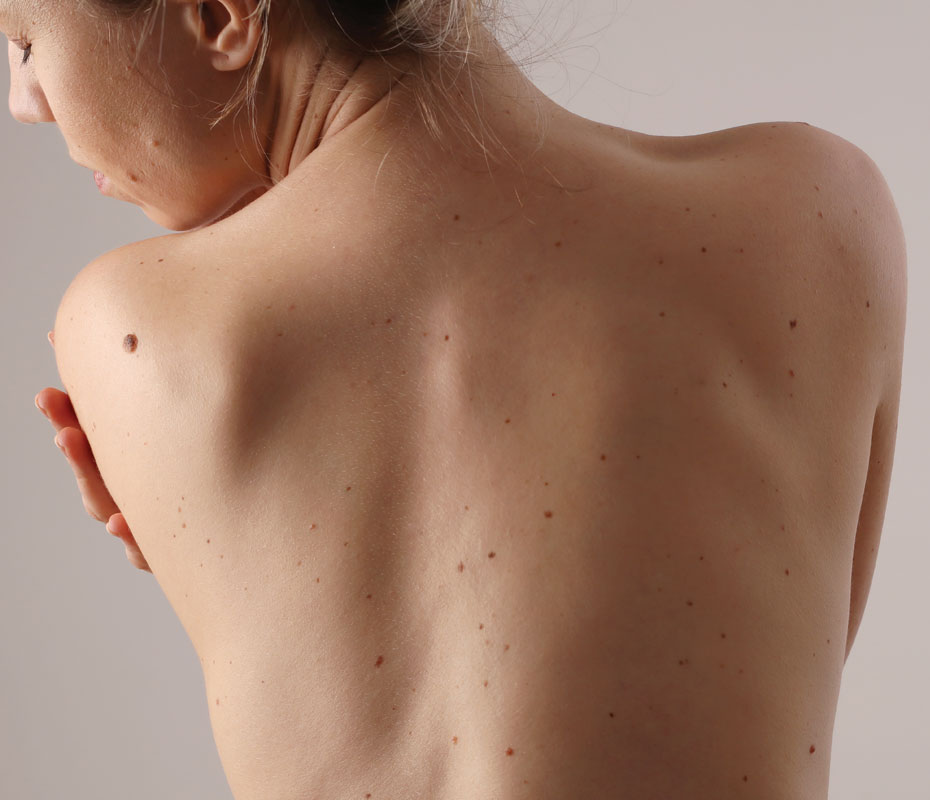
Moles are common skin growths that usually appear as small, dark brown spots and are caused by clusters of pigmented cells. Most people have between 10 and 40 moles, which can develop anywhere on the skin.
Moles can grow anywhere on your body, including your scalp and armpits, as well as under your nails and between your fingers and toes.
Regular skin exams are important for everyone to check for signs of skin cancer. Finding a melanoma as early as possible can mean it's easier to treat.
What Causes Moles and Skin Cancer?
Moles form when melanocytes, the cells that produce pigment, grow in clusters rather than being spread throughout the skin. While the exact cause of moles is not fully understood, several factors can influence their development.
Common Causes:
- Genetics: A family history of moles can increase the likelihood of having many moles.
- Sun Exposure: UV radiation from the sun or tanning beds can cause moles to develop and change.
- Hormonal Changes: Hormonal changes during puberty and pregnancy can affect mole development.
- Fair Skin: Individuals with fair skin are more susceptible to developing moles due to their lower levels of melanin, which provides some protection against UV radiation.
What Do Moles Look Like?
Moles can vary greatly in appearance. Here are some common features:
- Colour: Can range from light tan to dark brown or black.
- Shape: Usually symmetrical, with smooth, well-defined borders.
- Size: Generally small, but some can grow larger or become raised.
- Texture: Can be smooth, wrinkled, flat, or raised.
- New Moles: It is important to monitor the skin for any new moles, as changes can indicate potential skin health issues.
How Can You Treat Moles?
Treatment for moles is usually not necessary unless they cause discomfort, are cosmetically undesirable, or show signs of becoming cancerous.
Dysplastic naevi, which are atypical moles, should be monitored closely and may require treatment if they show signs of becoming cancerous.
If a mole is found to be cancerous, it needs to be completely removed.
Complimentary treatments
What to expect
- 30-minute Consultation with a Dermatologist
- Proprietary Triage System: Ensuring referral to the most suitable practitioner.
- Treatment Carried Out at Montrose London: A leading specialist skin aesthetics and plastic surgery clinic.
- Dedicated Patient Coordinator: As a personal point of contact throughout your journey at Montrose London.
- Comprehensive Post-treatment Aftercare: With our expert doctors and aestheticians.

Thank you
Overall a disappointing experience, sterile and cold enough environment made bearable only by the maximalist decor. No serenity as portrayed in marketing features ie. Lack of music As a director within a private healthcare setting, very poor customer experience and not one I will be recommending to our own clientele.
I was advised if unhappy with results in 2 weeks to come back for a top up but work restrictions meant I did not attend for 4 weeks but was told that this was chargeable: disappointing again with lack of appreciation or flexibility for working professionals. No follow up provided or courtesy call as is often given at alternative aesthetic clinics.
Dr. Noy has been incredible from start to finish. It is a joy to go to this beautiful clinic, and care is second to none.


Receive regular updates and articles of interest regarding Montrose clinic and the world of aesthetics at large.
Newsletter Sign Up